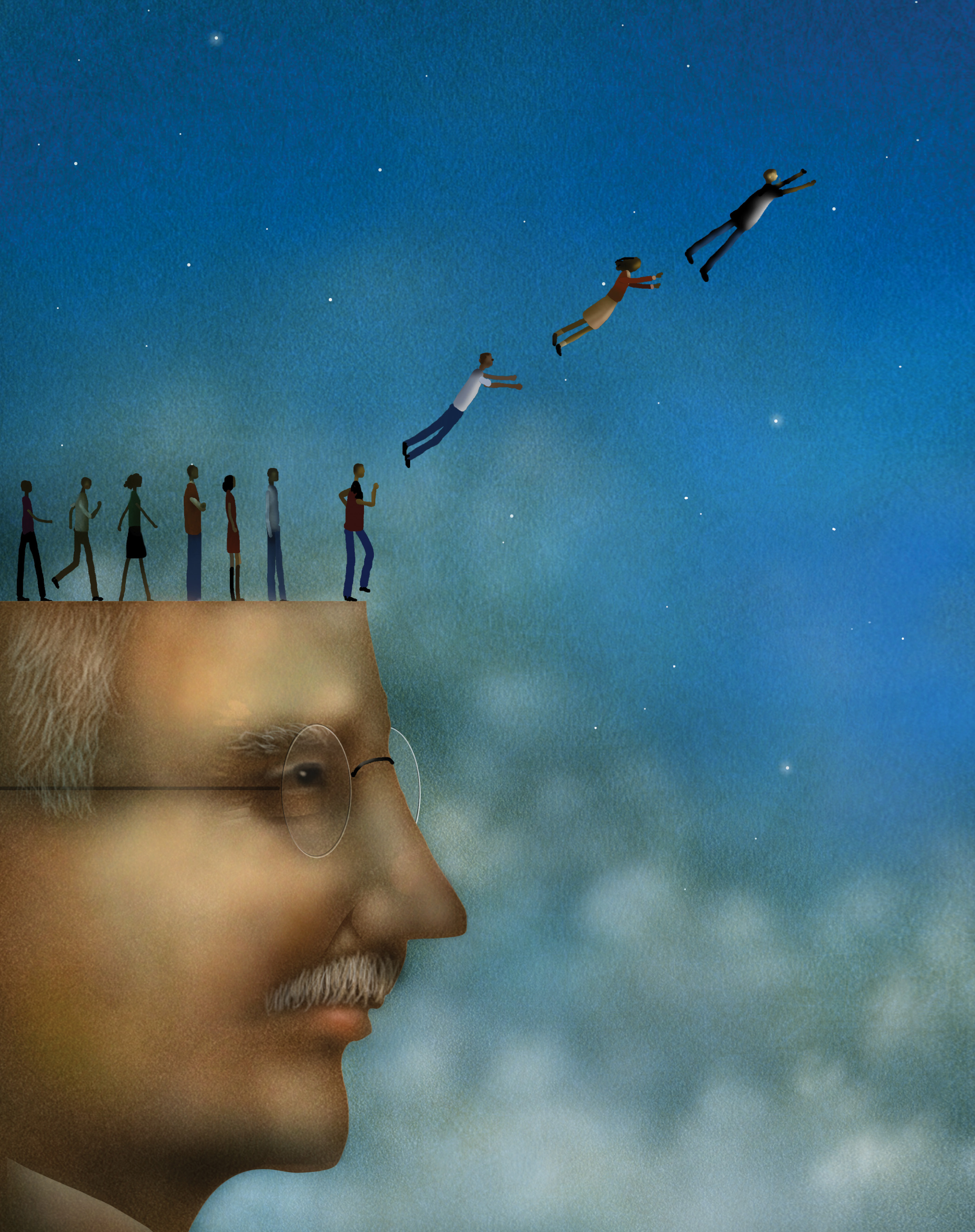
John Dewey - Featured Image
Faculty Essay, Fall 2014, Feature 2, Feature Stories

What Would Dewey Say Today?

John Dewey Illustration 1

As a former classroom teacher in New Mexico and as a partner to Chicago Public School teachers engaging students in challenging curricula and teaching methods, I participated in a wide range of excellent educational efforts. But after several years in public education, I became distressed by both the disparities of resources among schools and societal prejudices toward some children whom I knew to be very capable of learning. I was frustrated and needed to learn new concepts while continuing to work with other committed educators. My solution was to enroll in the PhD in education program at the University of Chicago where I could explore innovative methods designed to support and enhance excellent and equitable educational practices for children and teachers.

During my studies at the U. of C., I encountered the educational philosopher John Dewey whose ideas and insights presented me with a new way to look at education and so much more. As an alumna of St. John’s College in Santa Fe, N.M., where “great books” and ideas are studied, analyzed and discussed in depth, I believe in the power of ideas. My immersion into Dewey’s ideas dovetailed with that philosophy and helped me see the real effectiveness of connecting ideas to action. I found Dewey’s ideas exhilarating because he delved into how people can and should work together to solve complex problems like those in education.

I decided to write my dissertation on Dewey and have since written several other papers on his pragmatic ideas about making things better. After earning my doctoral degree, I joined Roosevelt University’s elementary teacher preparation program. This is my dream job because at Roosevelt education is considered and practiced as a major tool for social justice and for supporting people in achieving their life dreams individually and collectively. This is an approach that Dewey surely would have endorsed.

I want to share with you who John Dewey was, what some of his main contributions were, and some ways in which his ideas are still relevant today. In particular, I want to share my excitement about how his ideas can still empower us to work together to make our world a better place.

Founder of the U. of C. Laboratory Schools

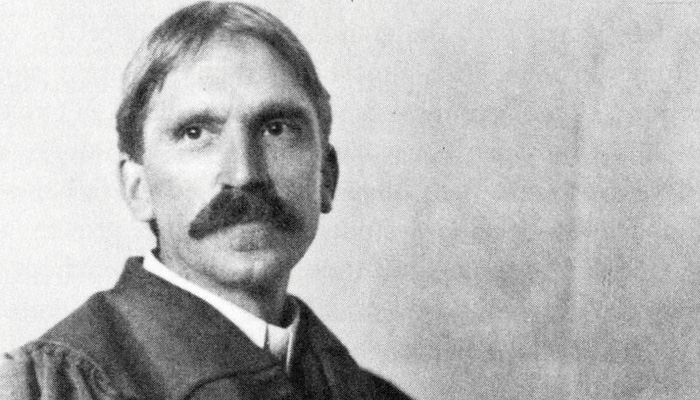
John Dewey (1859-1952) is known as a preeminent U.S. philosopher who wrote about many topics with an emphasis on education. Dewey founded the Laboratory Schools for children at the University of Chicago as part of his pragmatic approach. He wanted educators to both apply educational ideas to practice and to develop new educational ideas by reflecting upon the practical processes of teaching and learning. For Dewey, philosophy (or theory) was not distinct from practice. This was one of many dichotomies that he debunked. Highlighting the power of ideas for actively improving our world was one of Dewey’s contributions to the reconstruction of the field of philosophy. After leaving the University of Chicago, he was appointed chair in philosophy at Columbia University in New York. He wrote prolifically throughout his long life and his thinking and writings contributed greatly to the field of philosophy.

He explained that many of us often operate under a false separation of ideas and action which can weaken the power of putting ideas into action. Dewey argued that the value of ideas is measured by the problems they help people solve. In one main area of his writing, he proposed that education could and should be a force that helps learners develop their intellects so they can constantly critique the status quo and work with others to make the world a better place. “Progressive education” is the term that he and others used for this powerful idea.

Dewey’s sense of hopefulness is relevant and useful to all of us today. Although some criticize him for being utopian, I and many others applaud his hopefulness. It is based on reality and is a necessary disposition for people to have in order to solve problems and co-create a world that works well for everyone. Dewey’s hopefulness is based upon his observations about humanity that are stunning in their boldness and truth. For Dewey, every person everywhere matters. One main reason for this is that each person has talents that when identified and developed can contribute to the person’s own well-being and to the well-being of others whom she or he influences. For Dewey, all of our efforts impact others’ lives all of the time, but mostly, we are unaware of our interconnectedness and of our interdependence.
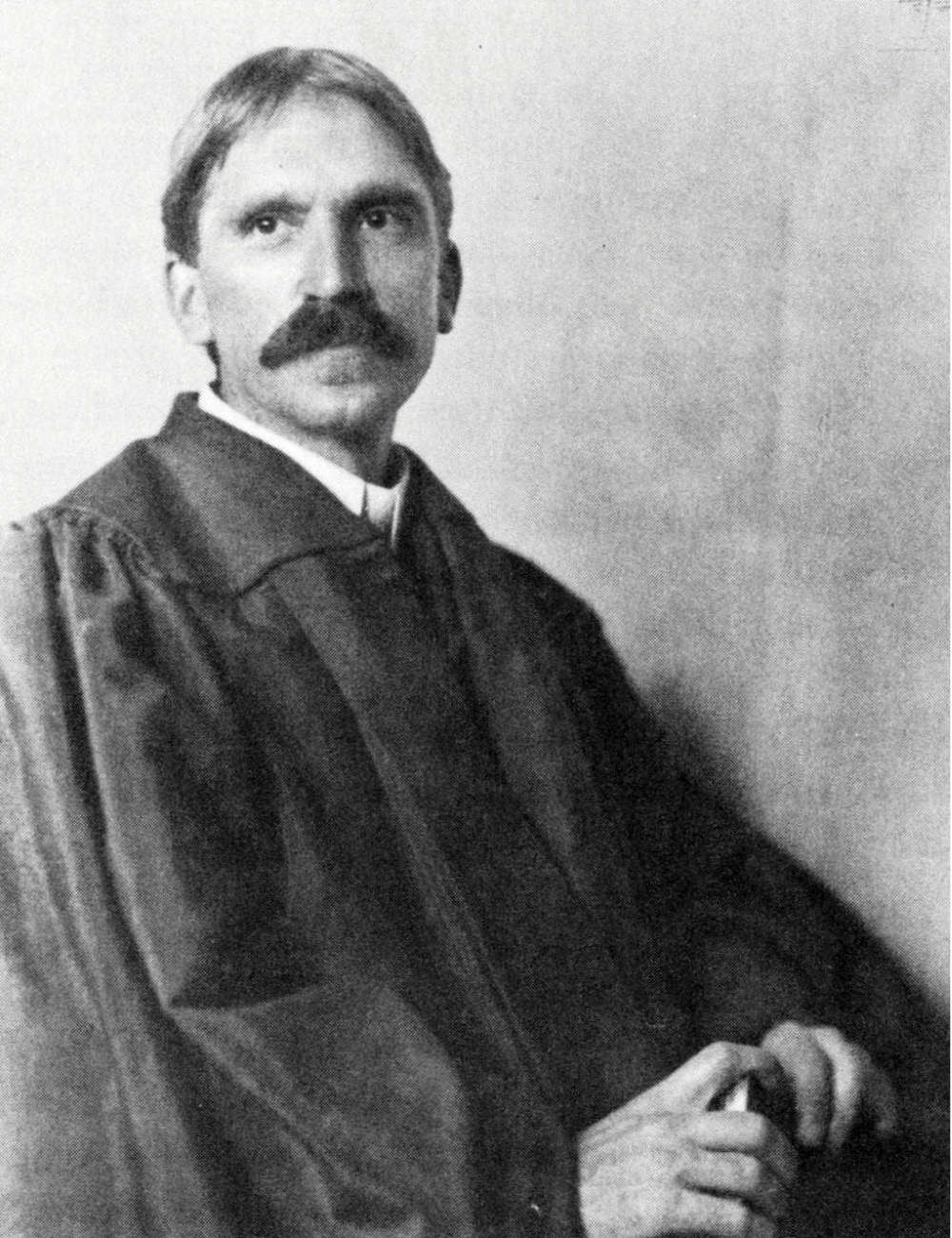
John Dewey

John Dewey, an American philosopher, psychologist and educational reformer, is one of the primary figures associated with the philosophy of pragmatism.

Dewey also states that everyone matters because all of us have ample intellectual powers that can be continuously developed. This gives us realistic hope that we can solve paramount problems, such as providing excellent education for all, and eradicating poverty, prejudice and injurious conflict, to name a few. When we have an educational system that acknowledges and helps each individual develop her or his capabilities and when we associate with one another freely and cooperatively in democratic ways, we can solve problems well. What is needed is a much more widespread belief in every individual’s potential and capacities, which requires efforts to reduce prejudice and discrimination. By doing this, everyone’s talents can be recognized. First-rate educational efforts are pivotal because they assist individuals in identifying their talents and developing them to their fullest. Dewey acknowledges that sometimes some of us need more resources than others in order to thrive and develop our abilities and intellects. One possible reason is that some of us have not had the necessary prior support. In these cases, just as a family gives more care and resources to a family member who is sick, society needs to give more to those in need. Furthermore, we need to reduce the negative societal influences and neglect that cause people to be in need.

Dewey believed that every child has the ability to learn complex subjects and I was able to see that philosophy in action when I analyzed the mathematical abilities of kindergarteners in the Chicago Public School (CPS) system. As an editor of the Everyday Mathematics (EM) curriculum, I interviewed (with the help of a Spanish translator when needed) hundreds of children. In these interviews, the children demonstrated strong understanding of math and problem-solving capabilities. Our effort at EM was to prove that a challenging and enriched mathematics curriculum could be used successfully in urban schools. We felt the need to show this in order to answer questions we encountered when trying to implement the curriculum in some city school districts. Many believed that only students in suburban schools could succeed with (and benefit from) such a challenging curriculum. Today, the Everyday Mathematics curriculum is widely used in CPS and in other urban and suburban school districts. Our experience with these hundreds of five-year-olds helped us persuade others. This is something that Dewey would support and is just one example of how to identify and develop the robust intellects that all children possess.

Dewey wrote extensively about democracy (with a small “d,” and no particular political party). Democracy for Dewey involved having people associate with one another in familiar groups, such as families and religious organizations, and with members of groups they don’t know well. He wrote that an important measure of the worth of a society includes the quality of communication and conjoint action between groups of people with different aims and interests. The more people take the actions of others into consideration and how their actions influence others, the better a society can become. Likewise, people need to learn how we are all interdependent on one another. Everyone in a democracy needs to listen to, work to understand and interact with individuals from as many different groups of people as possible.

Dewey was a public intellectual who voiced his opinions and took actions on current events to effect positive change. He promoted informed, organized and individual actions that improve society. He supported the idealistic and practical approach of teachers’ unions whose members worked in a spirit of justice for those who had suffered wrongs or who were in danger of being wronged, including both children and teachers. In just one of many examples from around the world, I believe he would have backed recent actions of the Chicago Teachers’ Union as it seeks to improve learning conditions for students and teachers and to further excellent education for all students. Dewey supported unions whose members worked to preserve the educational foci of schools when forces outside of education sought to use schools for their own benefit. The Chicago Teachers Union has stood up to the growing movement to privatize and fund education by corporations which could result in only a few children and youth receiving the best education. Dewey advocated for educational excellence for one’s own and “other people’s children.” Likewise, people all over the globe continue to stand up for and work towards improved life conditions and Dewey would support them.


Too often, youth are seen as empty and in need of being filled with knowledge or as trouble makers — as problems to be solved rather than as problem-solvers.
– Elizabeth Meadows


An Advocate of Relevance

Dewey’s debunking of dichotomies in every field he worked in as a pragmatic philosopher is relevant today. He wrote that thinking in “either-or’s” makes shallow the essential depths in which issues and concepts need to be explored in order to identify and improve the real issues and concepts involved. For Dewey, helping everyone experience life to the fullest in the present and mine the riches of past human learning and accomplishment were both key. Too often today, preparation is only seen as focusing on the requirements for the future, such as readying students for the next grade, college or job. This emphasis often diminishes the learning possibilities present in the lived experiences of children. For Dewey, fusing current life experiences with learning in school helps prepare youth for their futures.

Dewey’s advocacy of relevance as an educational lynchpin is important to reclaim today. It is vital for policy makers, elected officials, professional educators and members of society to be driven by this Deweyan question: What do children and youth need to know in order to develop and use their capabilities and talents to contribute to their own well-being and to the well-being of all members of their society? Often today, test scores are made paramount in a student’s progress educationally and in a teacher’s progress as a professional. This is done without a careful investigation into the meaning of the test scores and whether they truly measure well what is most important for students to learn. The high-stakes use of test scores does not focus on improvement, but rather on punishment. If test scores are too low, sometimes students are kept back a grade without additional measures to support the students’ development. In addition, teachers sometimes are let go from their jobs if students’ test scores fall below a set standard and school personnel can lose control of their school. Schools have been closed due to poor achievement as measured by tests.

Alternatively, assessments can be useful if they are used to further students’ and teachers’ learning. Dewey advocated focusing on both the child and the curriculum, a title of one of his many books, rather than one or the other. His is neither a child-centered nor a curriculum-centered education. It is both. Educators need to help students see how their interests and capabilities connect with the subject matters of the curriculum. They also need to guide the students’ interests towards learning about meaningful subject matters which have been developed by those who have preceded these children. Educators need to realize that children are capable of developing their powers to contribute new knowledge to humanity and facilitate their growth toward this end.

John Dewey Illustration 2

Dewey criticized routine educational practices in his day when children were separated from the day-to-day life of their community. An example of this was (and sometimes still is) when students’ chairs are literally or metaphorically bolted to the schoolroom floor. Dewey explained how this restricts students from following their social motivations to learn with one another and to venture outside the school walls to take part in the community’s activities. Ideal education facilitates children learning from their elders. Education was and can be again an organic part of the economic and artistic endeavors of the community. Through education, the young can not only receive learning from their elders but they also can develop and contribute new knowledge back to the community.

At the same time, relevant today is Dewey’s honoring of all children as capable and original thinkers and creators of new human knowledge. Too often, youth are seen as empty and in need of being filled with knowledge or as trouble makers – as problems to be solved rather than as problem-solvers. As noted earlier, Dewey’s philosophy is that every individual matters to the community and every person needs to be challenged and nurtured for their well-being and that of others. In terms of children being seen as making trouble, Dewey wants education to prepare students to fight the status quo, to take stands, and to work toward positive change for all.

In conclusion, Dewey’s pragmatic philosophy can help us work together to make our world a better place. His hopefulness, his belief in the worth of each person to contribute to the well-being of all, his definition of democracy as interaction and awareness of interdependence, his insistence that education prepares students to criticize current practices and work toward improved conditions for all, and his declaration that those in need be assisted compels us to think and act accordingly. Do we follow Dewey? Will we? Let’s.

Standard
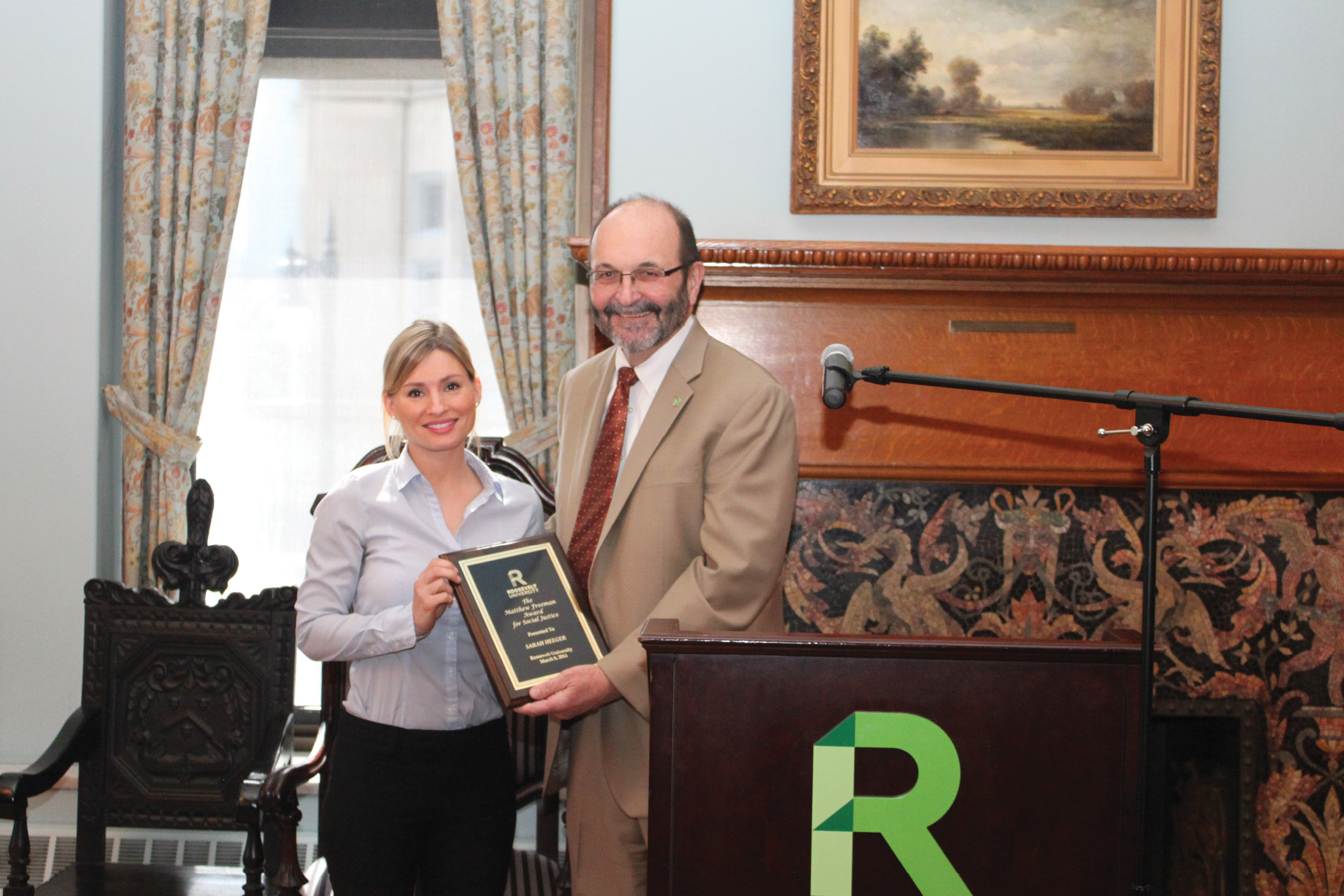
Matthew Freeman Lecture and Social Justice Award are named in honor of the late student Matthew Freeman, above. A past recipient of the award is recognized by President Chuck Middleton.
Faculty News, Fall 2014, Feature 4, Uncategorized

His Primary Care

Joshua Freeman

Joshua Freeman, the only medical doctor on Roosevelt University’s Board of Trustees, has much in common with the University’s guiding principle: He practices medicine from a social justice point of view.

“I’m interested in why so many of our policies seem to be aimed at enhancing the lives of people who already have a lot, rather than trying to make the lives of people who are just getting by a little bit better,” he said.

Chair of the Department of Family Medicine at the University of Kansas Medical Center in Kansas City, Freeman writes a blog called “Medicine and Social Justice” and is currently writing a book about the health care industry tentatively titled Working Upstream.

“Dr. Freeman’s compassion for individuals and his urgency to help the underserved of the world is legendary,” said Dr. Richard J. Barohn, chair of the Department of Neurology at the Medical Center. “I think even if Josh was not a physician – if he were a car mechanic or a salesman – he would bring the same sympathy and focus to his life, and a commitment to making the world a better place.”

Last year, Freeman was invited to join Roosevelt’s Board of Trustees because he brings a variety of perspectives on higher education to the University. In addition to being a social justice advocate, he is a professor, medical doctor, administrator, father of a former Roosevelt student, author and major donor.

“As a board member who is an academic, but not a member of the Roosevelt faculty, I believe that I can share insights with the board on what is happening at universities elsewhere,” he said. “I know a great deal about the preparation students need for professional school. In addition, I believe that my first-hand knowledge of teaching and research give me a perspective to ask questions of the academic officers of the University that most of the other non-faculty trustees can’t.”

Roosevelt University President Chuck Middleton will be relying on Freeman for his thoughts on how Roosevelt can further develop its offerings in the health sciences. Roosevelt already has an outstanding College of Pharmacy and thriving programs in biology and chemistry, but the University sees opportunities for more extensive academic programming. “Josh’s expertise will be critical to helping the board and administration understand how to do that work at the highest level of quality,” he said.

Along with managing the Department of Family Medicine, many of Freeman’s ongoing efforts are focused on making the medical industry fair for everyone. “We say we have the best medical care in the world, but it’s only for people with insurance and those who can access it,” he said. “Uninsured people and those with limited access tend to defer care or show up in the emergency room when they’re really sick, rather than receiving proper care at an earlier stage of the illness. Even though we can do incredible surgeries and have innovative procedures, we don’t have a very good system of primary care or prevention.”

Freeman believes that the Affordable Care Act, also known as Obama Care, is a step in the right direction because it expands access, but he remains concerned that it still leaves many people without medical coverage, including undocumented residents and people in states that have chosen not to expand Medicaid coverage. Depending on their income level, people in those states may not qualify for either Medicaid or reduced costs on a private insurance plan.

Freeman favors a single payer system like the program in Canada where everybody has the same insurance and pays the same for services. “This way, there wouldn’t be our insane pricing systems where no one knows the actual cost for hospitalization, doctor visits and other services.”

How social determinants, like housing, food, jobs and education, affect health care is another of his concerns. “If your fear is how am I going to pay the rent and buy food for my kids, there’s a lot of stress to your life and that’s not good for your health,” he said. “It’s not coincidental that people who live near toxic waste zones and polluted areas are usually poor and often sick.”

Social justice is personal

To Freeman, social justice also has another, very personal meaning. In 2004, just two years after being appointed professor and department chair at Kansas, he received a phone call during an early morning staff meeting informing him that his oldest son, Matthew, a sociology major in his final semester at Roosevelt University, was missing.

Freeman got on the next flight to Chicago where he discovered that Matthew’s car was gone and no one knew what happened to him. Two days later, he learned Matthew had purchased a gun and took his own life in a motel room in North Carolina. “I’m sure it was the first time he ever held a gun,” said his father, still shaken.

Matthew grew up in Evanston, Ill., and chose Roosevelt after attending another college because the University stood for all the things that he believed in. Smart and committed to equal opportunities like his father, he was actively involved in public housing and transportation issues in Chicago. Shortly after Matthew’s death, friends and family gathered with Roosevelt students, faculty members and administrators at a special graduation ceremony during which his parents accepted his degree with honors from Roosevelt.

“Medically speaking, suicide is the terminal event of a disease called depression,” Freeman said. “Not everybody dies from it, but everyone who commits suicide has it, including Matthew who first had episodes of depression in high school.”

To honor Matthew’s memory, Josh Freeman and Matthew’s mother, Dr. Catherine Kallal, endowed the annual Matthew Freeman Lecture and Social Justice Award Ceremony at the University’s Mansfield Institute for Social Justice and Transformation. Held every spring for the past 10 years, the lecture and award presentation are highlights of the academic year as nationally known speakers are invited to talk about their social justice related efforts and outstanding Roosevelt students are recognized for their service. The 2015 Freeman lecture will be held on March 26.

Roosevelt's annual Matthew Freeman Lecture and Social Justice Award are named in honor of the late student Matthew Freeman, above.  A past recipient of the award is recognized by President Chuck Middleton.

Roosevelt's annual Matthew Freeman Lecture and Social Justice Award are named in honor of the late student Matthew Freeman, above.  A past recipient of the award is recognized by President Chuck Middleton.

Roosevelt’s annual Matthew Freeman Lecture and Social Justice Award are named in honor of the late student Matthew Freeman, above. A past recipient of the award is recognized by President Chuck Middleton.

After initially being reluctant to talk about suicide, Freeman now encourages depressed students at Kansas to talk with him. A few years ago after one of his medical students committed suicide, he was the only person the student’s mother was willing to talk with because she knew he had been through it.

As head of the Department of Family Medicine at Kansas, Freeman is particularly proud of the fact that the medical school is one of the top producers of family medicine residents in the country, with as many as 40 students a year entering that field. Community-oriented, it offers students like Whitney Clearwater opportunities to gain practical experiences at local organizations. A third year medical student specializing in family medicine, Clearwater works in a free clinic where she diagnoses and treats high school students and provides medical aid to patients who might not otherwise receive it.

“Family doctors manage the multiple kinds of diseases that you might have, take care of you when you’re sick or hurt and provide comprehensive preventive care through screenings, immunizations and education,” Freeman said. “And, they do something that most doctors in other specialties wouldn’t think of doing. They ask about problems that aren’t even on the table like being safe at home.”

Much of the success of the Department of Family Medicine can be attributed to Freeman, according to his colleague at the University of Kansas Medical Center, Dr. Allen Greiner. “He has helped us grow and maintain a national reputation as a top medical school while building an extensive set of internal programs addressing health and social justice,” he said. “A passion for change and improvement through advocacy is what Dr. Freeman is all about.”

Visit Dr. Freeman’s blog, “Medicine and Social Justice” at medicinesocialjustice.blogspot.com.
Standard
Infographic: Nonprofit employment as a share of private employment, by region:
Fall 2014, Feature 4, Feature Stories

Giving Back

Infographic: Nonprofit employment as a share of private employment, by region:

Roosevelt University’s social justice mission is being put into action by results-oriented graduates who are leading nonprofit organizations in Chicago and around the world. Some alumni, like Mark Rodriguez (BA,’00), are directing established organizations such as Changing Worlds, an educational arts organization.


“I came to understand the different voices that not-for-profits need to use in order to reach their audiences.”
– Mark Rodriguez (BA, ’00)


“I had an idea for bringing arts, literacy and culture into schools, but I didn’t have the skills or experience to run an organization,” said photographer Kay Berkson, who hired Rodriguez as the nonprofit’s first executive director in 2003.

“Mark had the passion and know-how to take my idea and run with it,” said Berkson, who has watched the organization’s budget grow from $50,000 to $1 million and its programming expand from a single location to 50 Chicago-area schools. “Thanks to his leadership, Changing Worlds has blossomed into something bigger than I could have imagined,” she said.

“The nonprofit industry attracts people from all walks of life,” said Joanne Howard, a Roosevelt lecturer in public administration who teaches nonprofit management courses. “Many have good jobs in the private sector and simply want to give back expertise, while others are motivated by altruism, religion or personal experiences,” she said. “But all have the same aim, which is to help people.”

Children in Chicago are being engaged every day in arts, literacy and culture thanks to Changing Worlds programs and the work of Roosevelt alumnus Mark Rodriguez.

Training for a Career in Service

Nationwide, nearly 11 million Americans are devoted to nonprofit causes and pursuits, according to a comprehensive study of not-for-profits by the Johns Hopkins Nonprofit Economic Data Project. Those employees make up about 10 percent of the nation’s workforce.

Roosevelt University has long been a leader in training students for senior level positions in nonprofit organizations. The Master’s of Public Administration program has trained hundreds of students for careers in service and other academic programs actively promote activism and ways to make positive change for people and communities.

Roosevelt graduate Robert Petitti (BS, ’80; MPA, ’13), might still be in the private sector if not for his Roosevelt education.

“He’s a bright guy who had the desire to reinvent himself,” said Anna Marie Schuh, director of the graduate program in public administration that Petitti joined in 2011 after losing a six-figure job as a lab-instrument salesman. “Robert started with a positive outlook, which is essential for nonprofit work, and he gained a lot of empathy for people as he went through our program.”

Petitti is currently executive director of Koinonia Foundation, a social service agency that feeds and clothes 400 people each month who are down on their luck in one of the nation’s wealthiest places, Fairfax County, Va.

Shawn West

Majority Enter Health Care

Approximately 13 percent of nonprofit workers are in social services, according to the Johns Hopkins study, “Holding the Fort: Nonprofit Employment during a Decade of Turmoil.” Another 15 percent are involved in education and education-related causes, while the majority, including Roosevelt graduate Shawn West (BA, ’98), are making a difference in the health care arena.

“She’s one of the brightest students I ever had and I knew she could become someone who could change the world,” said Heather Dalmage, a Roosevelt sociology professor and director of the Mansfield Institute for Social Justice and Transformation.

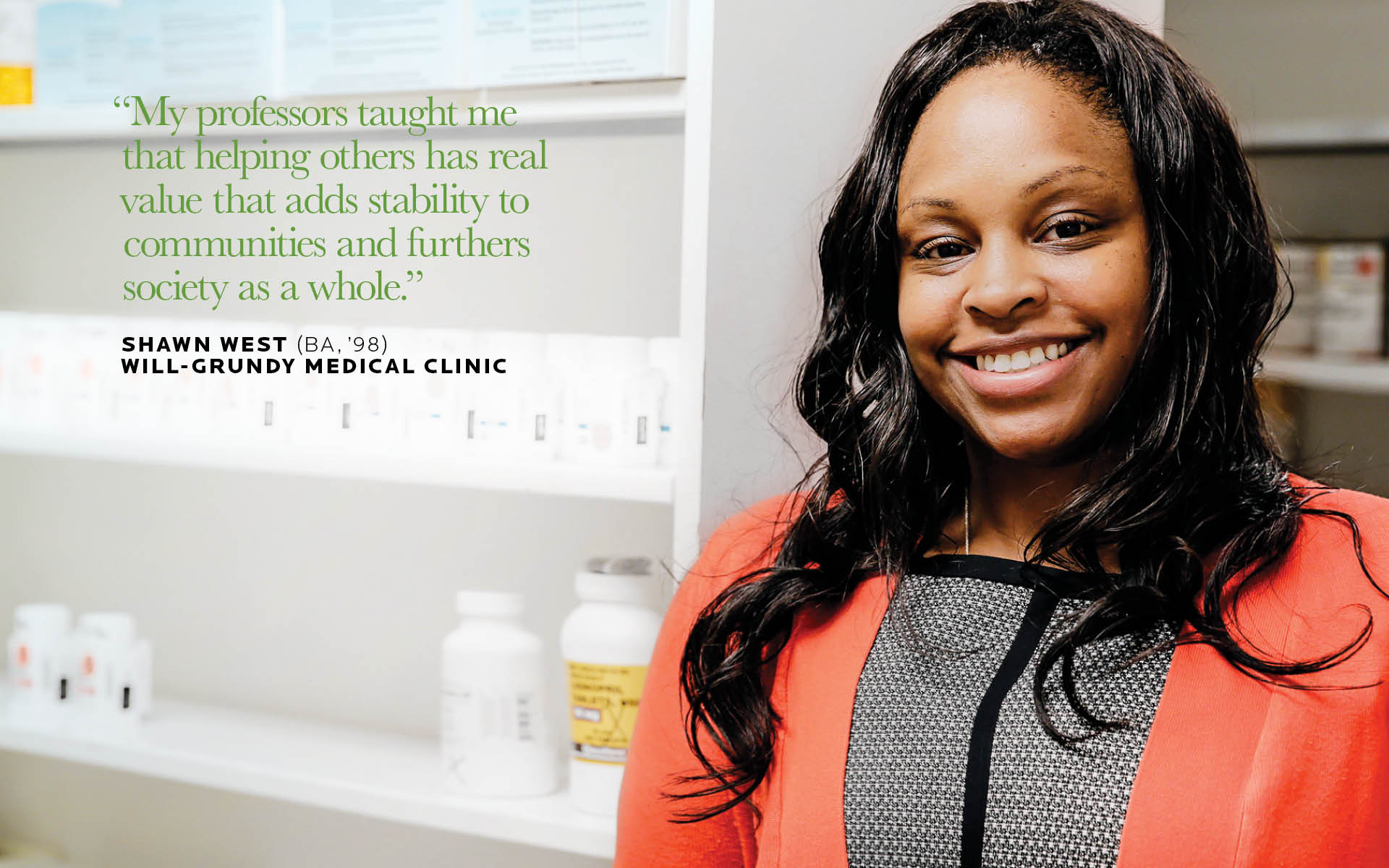
A native of Chicago’s Englewood neighborhood, West grew up poor, facing family health care crises that led to the premature deaths of her mother and brother. As executive director of the Will-Grundy Medical Clinic in Joliet, Ill., she and the clinic provide health care services and education to help the working poor stay healthy.

The Will-Grundy Medical Clinic is one of the sites where Roosevelt’s College of Pharmacy students can take their interprofessional training. “I had never volunteered for a not-for-profit before, so for me to see the dedication and time that goes into running that kind of organization was amazing,” said Meredith Imler, a third-year College of Pharmacy student. “Ms. West has a lot of dedication and passion for what she does and it made the experience more unique than spending time in a doctor’s office.”

Global opportunities possible

Roosevelt graduates are not only making a difference at not-for-profits close to home. Some, like Renate Schneider (MA, ’00), are improving lives and communities in other parts of the world.

“We are committed to giving students international experiences that frequently include opportunities for civic engagement and transformational learning,” said Chris Chulos, associate dean of the College of Arts and Sciences, which recently expanded course offerings with an international travel component. “We want them to be ready to go out into the world and become change agents,” he said.

Founder and president of a non-governmental organization (NGO) called the Haitian Connection, Schneider has been helping others in Haiti since 2003 when she went there as a Catholic missionary, becoming one of the only foreigners to remain in the country after a coup d’etat that forced President Jean-Bertrand Aristide from Haiti.

The Roosevelt graduate, who speaks five languages fluently, helped start a college in northern Haiti where she is vice rectrice, the University of Nouvelle Grand’Anse, which graduated its first class of 86 last summer. After the earthquake, she also put Haitians to work building houses for needy women and their children.

Remembering what matters

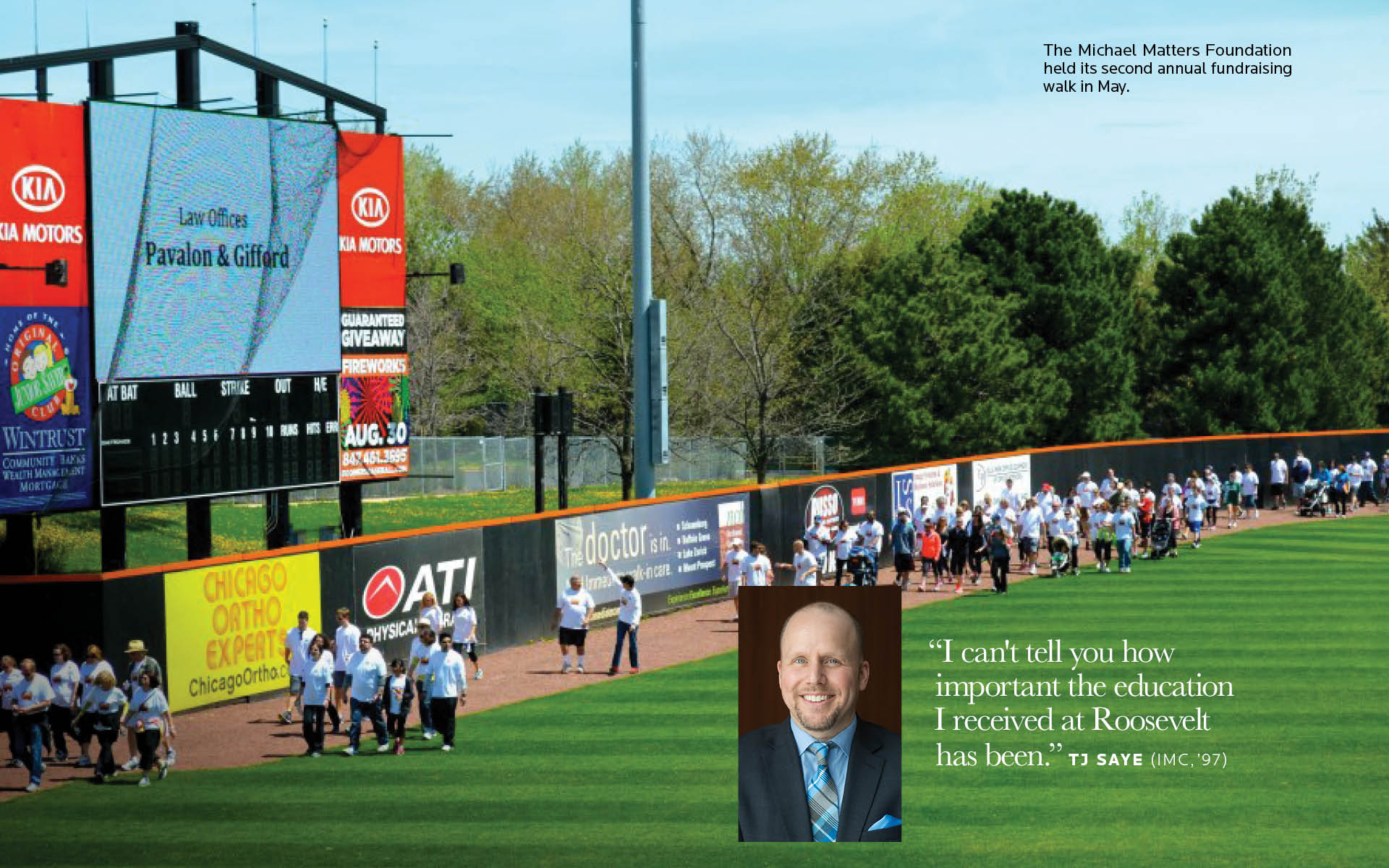
“I can't tell you how important the education  I received at Roosevelt  has been.” TJ SAYE (IMC, ’97)Alumni like TJ Saye (IMC, ’97) are crusaders for causes they created.

“I remember TJ coming to me after my husband’s funeral in 2012 and saying, ‘Let’s start something in his memory,’” said Illinois Appellate Court Judge Mary Schostok, who is immediate past president of the Illinois Judges Association. Her late husband, Michael, a prominent Chicago lawyer and former president of the Illinois Trial Lawyers Association, had just died at 51 years of age from an inoperable brain tumor known as a glioblastoma.

“All of us wanted to keep his memory alive, but TJ is the one who had the vision for Michael Matters,” said Schostok of the not-for-profit started by Saye, who is also chief operating officer of the Chicago law firm where Michael Schostok was a partner.

Michael Matters has raised nearly $80,000 and is currently working with NorthShore Kellogg Cancer Center, where Schostok was treated, to provide emergency grants, frequently in the last days of life, to those with glioblastomas and limited means.

A check is made to the NorthShore University HealthSystem’s cancer center from the Michael Matters Foundation, started by Roosevelt alum TJ Saye, third from left.

A check is made to the NorthShore University HealthSystem’s cancer center from the Michael Matters Foundation, started by Roosevelt alum TJ Saye, third from left.

“TJ had a clear vision from the start for where he wanted the foundation to go,” said Schostok. “He perceived that Michael wanted to help those he met at the hospital who couldn’t afford the kind of care that we could, and I will always be grateful to TJ for making my husband’s wishes become a reality.”

Roosevelt Develops Leaders

Roosevelt graduates leading nonprofits share more than a commitment to service. They also possess leadership abilities their Roosevelt education helped them develop.

“At Roosevelt, I gained perspective on things like fundraising and grantwriting and also came to understand the different voices that not-for-profits need to use in order to reach their audiences,” said Rodriguez of Changing Worlds, who received a certificate in Nonprofit Management from the University in 1998 and a bachelor’s in Communications in 2000. He is currently working on a Master’s in Business Administration at Roosevelt.

“I can’t tell you how important the education I received at Roosevelt has been,” said Saye, who has used skills he learned in the Master of Integrated Marketing Communication program to run both his law firm and Michael Matters. “My Roosevelt experience has been an incredible blessing and I don’t think I’d be where I’m at today without it.”

Petitti said his Master’s in Public Administration degree opened him to a new way of thinking that has been essential in his work at the Koinonia Foundation. “When I used to sell a million-dollar lab instrument to someone, all I would think about was the money I’d be making,” he said. “Roosevelt helped me see the importance of serving others, to the point where I find myself asking every day, ‘Have you helped enough people?’ It’s humbling.”


“Roosevelt helped me see the importance of serving others, to the point where I find myself asking every day, ‘Have you helped enough people?’”
– Robert Petitti (BS, ’80; MPA, ’13)


“Roosevelt helped me find my way as a nonprofit professional,” added West, a Bachelor’s of Psychology graduate who wanted to go to medical school, before switching to nonprofit leadership at the Will-Grundy Clinic and other organizations due to family issues. “Not only did my professors encourage me to give back, they taught me that helping others has real value that adds stability to communities and furthers society as a whole.”

Schneider, who works in Haiti, also studied psychology as a graduate international student. “Roosevelt always was a welcoming place for global learners,” said Schneider, who came from Germany to attend Roosevelt. “I gained an understanding for who I am and my professors prepared me to stand on my own feet, enabling me to wear many hats and to take on leadership roles that I probably wouldn’t have had in the United States or Germany.”

With an estimated 1.5 million not-for-profit organizations and an industry that is growing by about 2 percent annually, according to the Johns Hopkins study, the sky is the limit on where Roosevelt graduates can go in the not-for-profit sector.

Roosevelt’s Howard said that one-third of people leading nonprofits are Baby Boomers. “As they retire and as governments continue to pull back from providing human services, our young students will have multiple opportunities in the nonprofit sector,” she said.

Standard