Student orchestra plays in Ganz hall directed by professor
Fall 2017, Feature 1

The Courage to Create: Chicago College of Performing Arts Celebrates Its 150th Anniversary

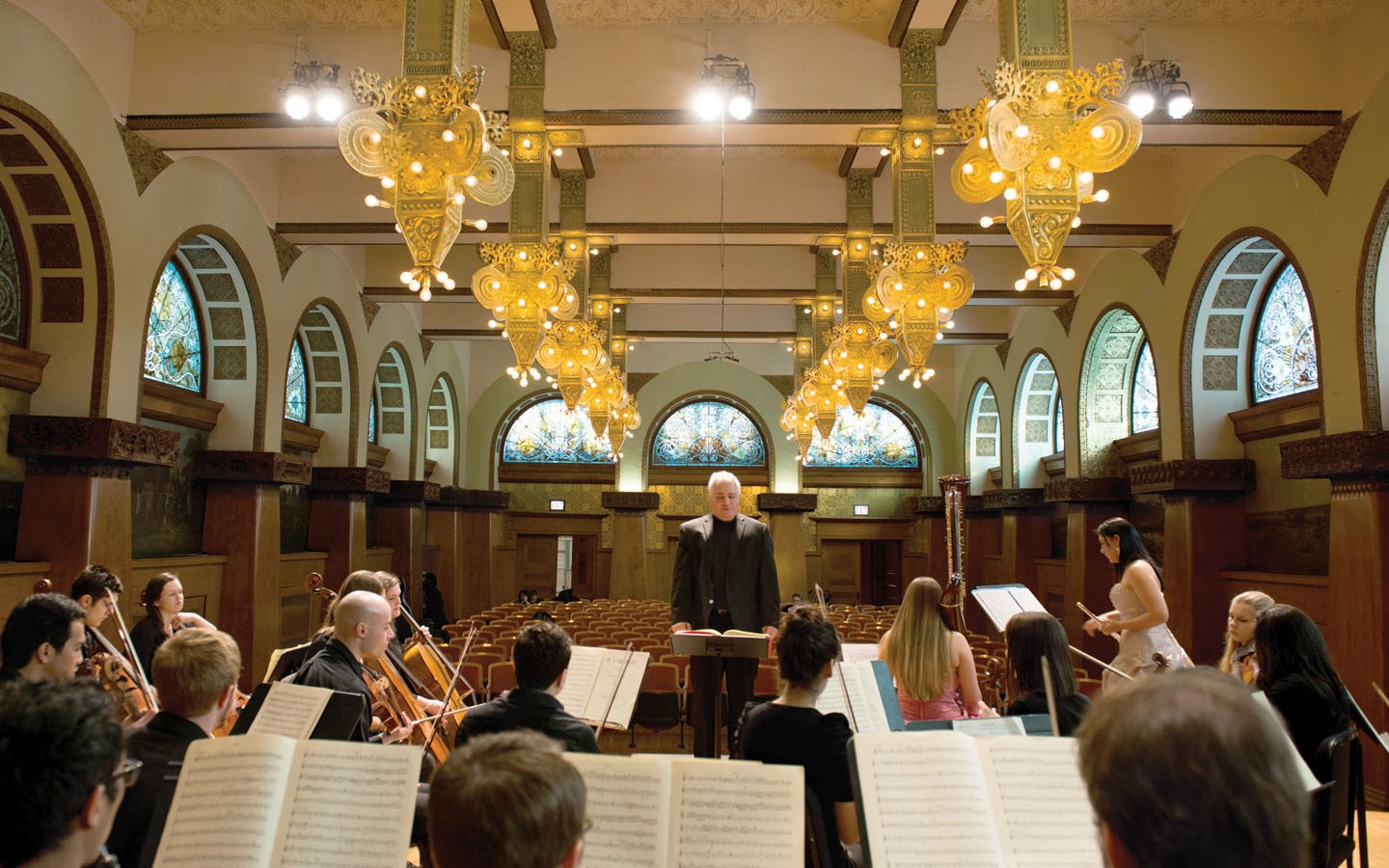
Student orchestra plays in Ganz hall directed by professor

Ganz Hall is a treasured rehearsal space for CCPA students.

The story is lore at Roosevelt University: In September 1871, four years after founding the Chicago Academy of Music, Florenz Ziegfeld, Sr. — father of the famous Broadway impresario — moved his increasingly popular music conservatory to a new building, which promptly went up in flames during the Great Chicago Fire.
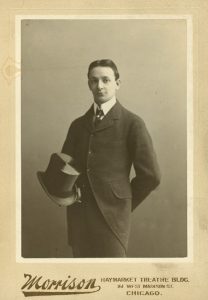
Rudolph Ganz Portrait

Rudolph Ganz

Undeterred, Ziegfeld reopened his school in less than three months. The following year, he changed the school’s name to the Chicago Musical College (CMC), charging more than 900 students “tuition” of a dollar per lesson.

Thereafter, CMC retained its name for the next 125 years, through its merger in 1954 with Roosevelt University’s School of Music and up until 1997, when the administration combined Roosevelt’s music and theater programs into a new entity: the College of Performing Arts.

Three years later, then-dean James Gandre added “Chicago” to the name in order to symbolically reconnect the college with its storied past, creating what we now know as the Chicago College of Performing Arts (CCPA).

Artistic Courage

CCPA celebrates the 150th anniversary of its founding this year. To mark the occasion, thousands of students, alumni, donors and interested Chicagoans will gather on March 14, 2018 at Roosevelt’s historic Auditorium Theatre for the college’s annual Vivid concert and fundraiser, showcasing the talent and achievements of CCPA’s students, faculty and alumni.
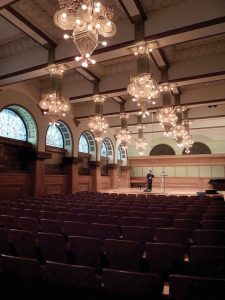
Ganz Hall with empty seats and a violinist on stage

Ganz Hall

Before the applause for that special evening dies down, however, it is worth reflecting on the spirit of perseverance and courage forged by that fire 150 years ago. It took an extraordinary act of optimism for Ziegfeld and his staff to look past the smoldering char and ash of their former building and envision a future unmarred by disaster. Like the city of Chicago itself, they used the fire as an opportunity to rebuild and rebound, to rededicate themselves to their great project of establishing a European-style cultural institution in the heart of the American Midwest.

Courage, resilience, optimism, and heart — these qualities are seared into the DNA of CCPA, and manifest themselves every day in the classrooms, studios and rehearsal halls of the college. In these spaces high above Michigan Avenue, a new generation of aspiring artists learns what it can from those who have gone before them — what it means to be an artist, a professional, a purveyor of imagination and master of artistic craft. They then take the most daring leap of all: into a public and culture that does not necessarily appreciate or care how hard they have worked to acquire their skills, only how easy they can make it look when they get up on stage to perform.

“It takes courage to be an artist,” said Joel Fink, founding director of CCPA’s 20-year-old theater program and its former dean. “The phrase I often use with my students is ‘Developing the courage to create.’ Creative courage means the ability to embrace the unknown, to create something where there was nothing before. Our job is to give our students the skills and craft to have that kind of courage.”

“Creative courage means the ability to embrace the unknown, to create something where there was nothing before. Our job is to give our students the skills and craft to have that kind of courage.”

– Joel Fink, Founding Director of the CCPA Theatre Conservatory

Most students attend CCPA with the intention, or at least aspiration, of becoming a professional musician or actor/performer. Toward that end, the college’s programs are designed to teach students not only the technical skills they will need to be working professionals, but also acquaint them with the personal and practical habits necessary to survive as professional artists.

Auditions, rejection, practice, humility, sacrifice, hustle and failure are just a few of the slings and arrows a working artist must face. That is not necessarily bad. As former CCPA dean and provost James Gandre notes, “The life of an artist has never been easy, and it isn’t supposed to be. Often, the struggle is what makes art interesting and moving.”
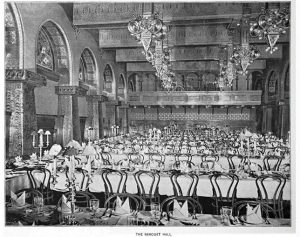
Black & White photo of Ganz Hall set-up as a banquet hall

Ganz Hall was
originally a banquet hall

However, training someone to be both extraordinarily sensitive to the nuances of a line in a play or a passage of music, say, and also thick-skinned enough not to let criticism or indifference poison their confidence — well, that’s a paradox with which CCPA faculty members are intimately familiar.

“It’s called ‘show business’ for a reason,” said Sean Kelley, associate dean and director of the Theatre Conservatory. “All of our students come in with passion for the art, but they also need to comprehend the coldness of the industry and understand the principles of business and marketing. Character development is a different avenue than business development. To make this your career, you need both.”

On the credibility front, it helps that most of CCPA’s faculty are working artists themselves — members of the Chicago Symphony Orchestra, Chicago Lyric Opera, Joffrey Ballet, as well as actors and directors from various Chicago-area theaters — people who “know what they’re talking about” because they live and breathe it every day. In truth, this ethos of collaborative generosity between working professionals and aspiring students has been part of the school’s guiding philosophy since its inception.

The Genial Genius: Rudolph Ganz
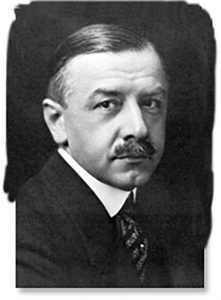
Portrait of Rudolph Ganz

Ganz spent more than
70 years at Chicago Musical College, which merged in 1954 with Roosevelt University.

No one embodied these values more fully, or articulated them more eloquently, than the spiritual father of the Chicago Musical College, Rudolph Ganz, the Swiss piano legend who joined the faculty in 1900 and remained a fixture at the school for more than 70 years.

Ganz’s piano studio on the ninth floor of Roosevelt’s Auditorium Building has been preserved both as a monument to his genius and as vivid testimony to a musical life well lived. More than 100 photographs line the walls: signed portraits from the legends of his day (Toscanini, Ravel, Stravinsky); notes of gratitude from former students, many of whom went on to have illustrious careers themselves (John La Montaine, Dorothy Donegan, Marian Hall, Joseph Bloch); along with a veritable who’s who of musical luminaries from the first half of the 20th century.

Master piano students still use Ganz’s studio to practice, drawing inspiration from the history of the room. Also on the Auditorium’s seventh floor is Ganz Hall, an architectural marvel whose lovingly restored “electroliers” and stained-glass windows assert a bold, brash beauty entirely in concert with Ganz’s own ideas about music, education and life.

In Jeanne Colette Collester’s biography, Rudolph Ganz: A Musical Pioneer, Ganz is quoted as saying, “Music is one of the most powerful and important forces of education. It teaches two virtues that we are greatly in need of today: discipline in preparation and imagination in performance.”

“Music is one of the most powerful and important forces of education. It teaches two virtues that we are greatly in need of today: discipline in preparation and imagination in performance.”
– Rudolph Ganz, Chicago Musical College

Ludmila Lazar, a former student of Ganz and beloved CCPA piano faculty member, concurs: “It was his incessant search for meaning, for character, for truth in the music which was ever present,” she said. “He made me hear more than piano sounds; they became music of the orchestra, of nature, of the human soul.”
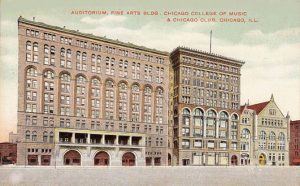
Old Drawing of the Auditorium Building

Auditorium Building, where Ganz Hall is currently housed.

This idea that music is much more than mere sound, that it has meaning and purpose and can serve as a guide to the contours of the soul, was the foundation upon which Ganz built his career as a performer and teacher. He was especially passionate about the performance aspect of the job. He taught “imagination in performance,” rather than technical perfection, because the connection he was striving for — that experience of sublime communication between performers and an audience — was based on the notion that a form of musical truth exists, and it is the artist’s responsibility to locate it.

“In many conservatories dedicated to professional training, there is a disconnect between the academic side (theory, form, etc.) and the performance side,” said Linda Berna, associate dean of the Music Conservatory. “Not here. We’ve made a conscious decision that it all works together.” By “all,” Berna means not only musical study and practice, but also literature, art, history, personal experience, intelligence, intuition and grit.
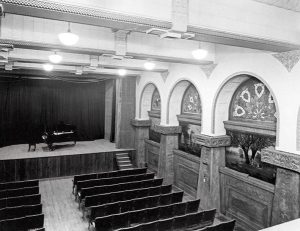
Black & White Photo of Ganz Hall

Ganz Hall

Berna came to Roosevelt 40 years ago as a piano student, and still remembers her years in the conservatory. “What struck me when I came was the atmosphere. It was vital and lively and really involved with the real world of music. The faculty were, and still are, active performers, and they taught differently. They taught us how to make music the way professionals make music.”

Though a certain level of technical excellence was expected, she said, lessons did not focus on the notes. “In piano, we’d have weekly performances and the faculty would critique us. They’d ask us questions like: ‘What are you trying to say with the music? What are you thinking while you are playing it?’ It was all about getting us to think consciously about what we were playing, and how to turn what we thought and felt about the music into a compelling performance.”

Creating Artist-Citizens

When the Chicago Musical College merged with Roosevelt University in 1954, it operated for years almost as a separate entity, due in part to the fact that not everyone in the CMC approved of the move. However, the University’s emphasis on social justice gradually seeped into the culture of CMC (and later, CCPA) via the notion of graduates as artist/citizens — people who see themselves as professional musicians and actors, yes, but also as ambassadors for the arts in the broader community and culture.

CCPA’s current dean, Henry Fogel, is a firm believer that artists are the conscience of culture, and he has solidified that belief into his mission statement and goals for the college. In fact, two of his stated goals for the future are: “To prepare our students for active and dedicated careers as socially conscious artist-citizens,” and “To develop an understanding of the need for artists of the future to advocate for the central place that the arts must hold in a healthy society.”

As a former president of the Chicago Symphony Orchestra and American Symphony Orchestra League, Fogel is all too aware of the precarious place even our most revered arts institutions occupy in the current cultural landscape.

“I think it’s important to teach students that going out and playing your instrument isn’t enough,” Fogel said. “Part of your role as an artist is to be an advocate for the arts and their place in a civilized society.”

“Part of your role as an artist is to be an advocate for the arts and their place in a civilized society.”
– Henry Fogel, Dean of CCPA

Another role important to the ongoing vitality of the arts, Fogel said, is seeding arts organizations with competent, principled leaders. Indeed, establishing Roosevelt as a leader among leaders in the arts is one of Fogel’s primary goals.

Since taking the reins at CCPA in 2009, he has created a master’s in performing arts administration program, one of the first of its kind in the country. He also recently established the Center for Arts Leadership, whose mission is “to educate the new generation of socially conscious artistic leadership” through coursework and projects that develop and reflect Roosevelt’s commitment to ethics, values and engaged citizenship.

Optimism Rewarded

Approximately 150 years ago when Florenz Ziegfeld, Sr. sifted through the ashes of the Great Chicago Fire and decided to forge ahead with his fledgling school, he could not have known or expected that it would survive as long as it has. There were only three other music conservatories in the United States at the time, so the school was an experiment, a big “what if” that offered no guarantee of success. Ziegfeld’s courage and optimism have been rewarded time and time again throughout the years, in moments both large and small.

When the performers at the Vivid 2018 showcase take the stage to share what they have learned during their time at CCPA, each performance will represent the culmination of a thousand tiny triumphs in the pursuit of artistic perfection. However effortless the performances may seem, they will in reality represent profound acts of courage — the kind of courage the CCPA has been instilling in students for 150 years, and with any luck will continue to do so for many more.


Ad for VIVID 2018. Click for more info.

Wednesday, March 14, 7:30 p.m.
Auditorium Theatre of Roosevelt University

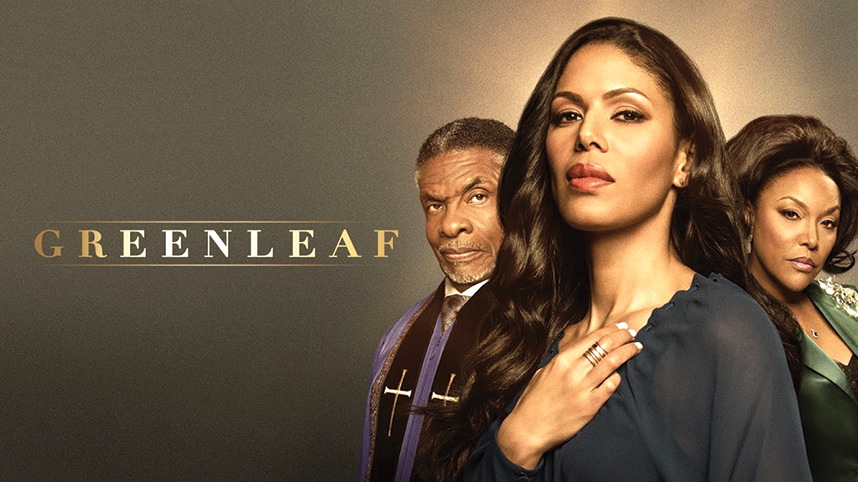
Join us as we mark the 150th anniversary of the Music Conservatory and the 20th anniversary of the Theatre Conservatory. The upcoming showcase will feature performances by some of CCPA’s most talented students, as well as a solo performance by CCPA’s renowned head of piano Winston Choi. Alumna Merle Dandridge (BFA, ’98), lead actress in the Oprah Winfrey Network hit drama series Greenleaf who has recently returned to Broadway to star in Once on This Island, will receive the first annual CCPA Distinguished Artist Award.

A ticketed pre-show Gala begins at 5:30 p.m. For information about the Gala and sponsorship opportunities, call (312) 341-3783. VIVID 2018 is a free event, but donations are encouraged to support CCPA students and programs. Free tickets can be reserved at auditoriumtheatre.org, (312) 341-2300, or the Auditorium Theatre Box Office.

For more information, visit roosevelt.edu/vivid or call (312) 431-2352.

Standard
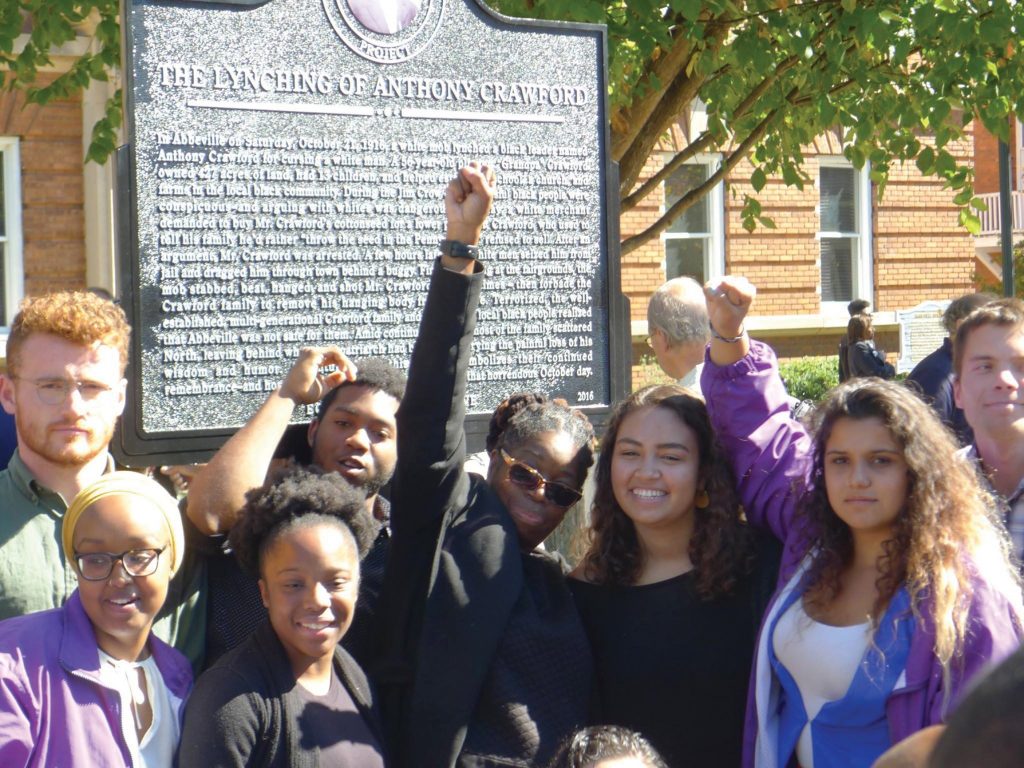
Doria Johnson (center, arm raised) celebrates unveiling of Anthony Crawford marker
Alumni News, Feature 4, Spring 2017

Alumni News – Spring 2017

Doria Johnson (center, arm raised) celebrates unveiling of Anthony Crawford marker

Doria Johnson (center, arm raised) celebrates unveiling of Anthony Crawford marker in Abbeville, S.C.

A Tale Untold: Preserving a Family’s History

The erasure from history of the lynching of her great-great-grandfather put Roosevelt University alumna Doria Dee Johnson (BA, ’07) on track to become an African American historian and international human rights activist.

A decade after graduating with a bachelor’s in history, Johnson is now close to completing a PhD dissertation at the University of Wisconsin–Madison on early 20th century African American migration, lynching and the development of the black community in Evanston, Illinois.

While this will no doubt be a major achievement, the PhD will not match the satisfaction she felt last fall when a historical marker was placed in Abbeville, South Carolina on the site of the mob lynching of her great-great-grandfather, Anthony Crawford. The lynching and subsequent seizure of his property took place a century ago.

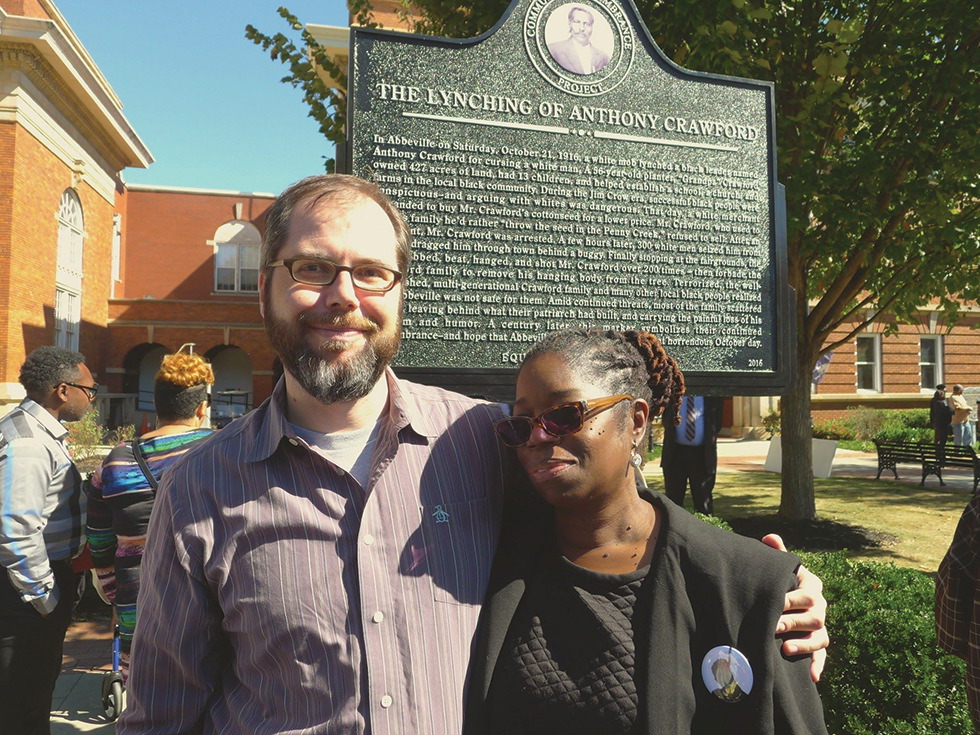
“It was one of the most important days in my life,” Johnson said of the Oct. 24, 2016 ceremony that drew 300 people, including more than 100 of her relatives; family members of Emmett Till, Ida B. Wells and Malcolm X; and Roosevelt University Associate Professor of History Erik Gellman.

Doria Johnson and Erik Gellman

Johnson with Roosevelt professor Erik Gellman (left).

“There’s no better feeling than being able to right a wrong and preserve what’s right for history,” said Johnson, whose journey to bring to light the wrongdoing done to Crawford and his descendants began in 1988, when Johnson looked into her family’s genealogy.

A phone call to an Abbeville church, answered by a cousin she did not know she had, started the ball rolling. She immediately traveled to Abbeville for a family reunion, where she met 100 newfound cousins, including some who had heard about the mob lynching and seizure of hundreds of acres of land that Crawford farmed for cotton.

After completing dozens of interviews and reviewing hundreds of documents, including an investigation into the lynching by the National Association for the Advancement of Colored People (NAACP), Johnson published a piece about her family’s story on a genealogy website in 1999. Shortly after, the Associated Press contacted and featured Johnson in its 2001 investigative series “Torn from the Land,” which documented 57 cases in which land was stolen from African Americans, including the Crawford family.

“There’s no better feeling than being able to right a wrong and preserve what’s right for history,”
– Doria Johnson (BA, ’07)

Meanwhile, Johnson called members of Congress regarding injustices done to Crawford and his family. She also became active on the public lecture circuit, telling as many people as would listen to her family’s story.

In 2005, the U.S. Senate issued a formal apology to Johnson and the Crawford family. She came to Roosevelt a year later, convinced by scholars she’d met that she could get a fellowship for a PhD to continue her work. First, however, she needed a bachelor’s degree.

“I chose Roosevelt because of Harold Washington,” Johnson said of Chicago’s first African American mayor, who was president of the Class of 1949. “My Roosevelt professors supported me while I was at the University as well as after I graduated and continued on for my PhD,” she said.

In 2016, Johnson took a year off from her doctoral work to take a Nelson Mandela International Dialogue fellowship, which elevates conversations about genocide and other human rights abuses to the world stage. As a Mandela fellow, Johnson traveled to South Africa, Sri Lanka and other parts of the world, where she discussed state-sponsored violence against African Americans in the United States.

She also worked with the nationally recognized nonprofit Equal Justice Initiative to locate the marker in the Abbeville town square where a mob initially accosted Crawford.

“Being there to witness Doria Johnson unveil the historical marker in the town square … hers was an act of bravery with great significance,” Gellman said. “She knows that the South’s reckoning with its racially violent past represents a way for its people to build a more democratic and inclusive society in the present.”

Johnson, who will receive her PhD later this year, hopes to continue marking lynching sites around the country, with a goal to “emphasize lynchings so they are made part of the narrative in history textbooks.”


Roosevelt Alumnus Competes for BBC Singer of the World

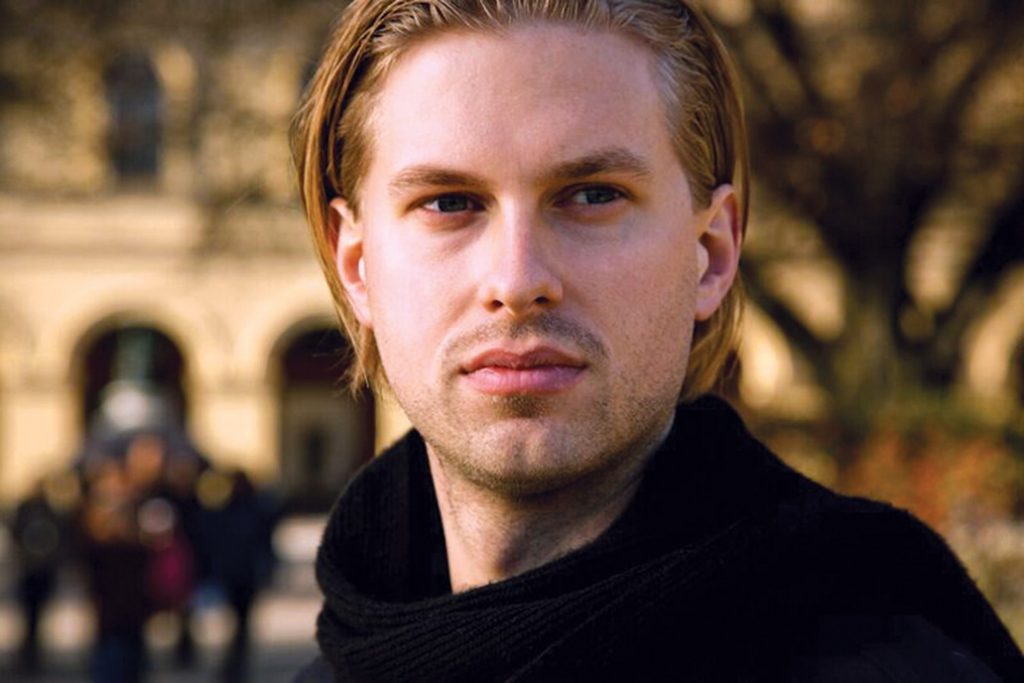
John Chest (MM, ’09)

After eight years as an opera star in the making, Roosevelt University vocal performance alumnus John Chest (MM, ’09) is hitting the big time as a finalist in the prestigious BBC Cardiff Singer of the World competition.

“It’s a moment in my career that will be truly electric,” said Chest, who studied at Roosevelt with former CCPA professor and Metropolitan Opera star David Holloway. Chest, 31, has sung professionally since 2011, primarily in Europe.

The Roosevelt graduate credits his CCPA training for preparing him to sing leading roles, including many appearances at Deutsche Opera Berlin where he has starred in Billy Budd and other productions.

“Ten years ago I wouldn’t have thought I’d be competing at this level,” Chest said. “My CCPA professors gave me guidance and encouragement to pursue a career that has me singing today at A-level opera houses.”

Holloway, who directs the Santa Fe Opera’s Apprentice Singing Program, called Chest “one of his most talented students.”

“He is simply an unusually talented singer and he is also personable and real as a person,” Holloway said. “It is no surprise to me that he is enjoying such success.”

After graduating from Roosevelt in 2009, Chest joined the Santa Fe Opera as an apprentice singer, and then went on to Munich’s Opera Studio, where he gave more than 80 performances. He was also a member of the Merola Opera Program in San Francisco, where he received rave reviews for his role as Guglielmo in Mozart’s Così fan tutte, and starred recently as Count Almaviva in The Marriage of Figaro at Opera Philadelphia.


One of Roosevelt University’s First Graduates, Howard Rosenberg Leaves Legal Legacy

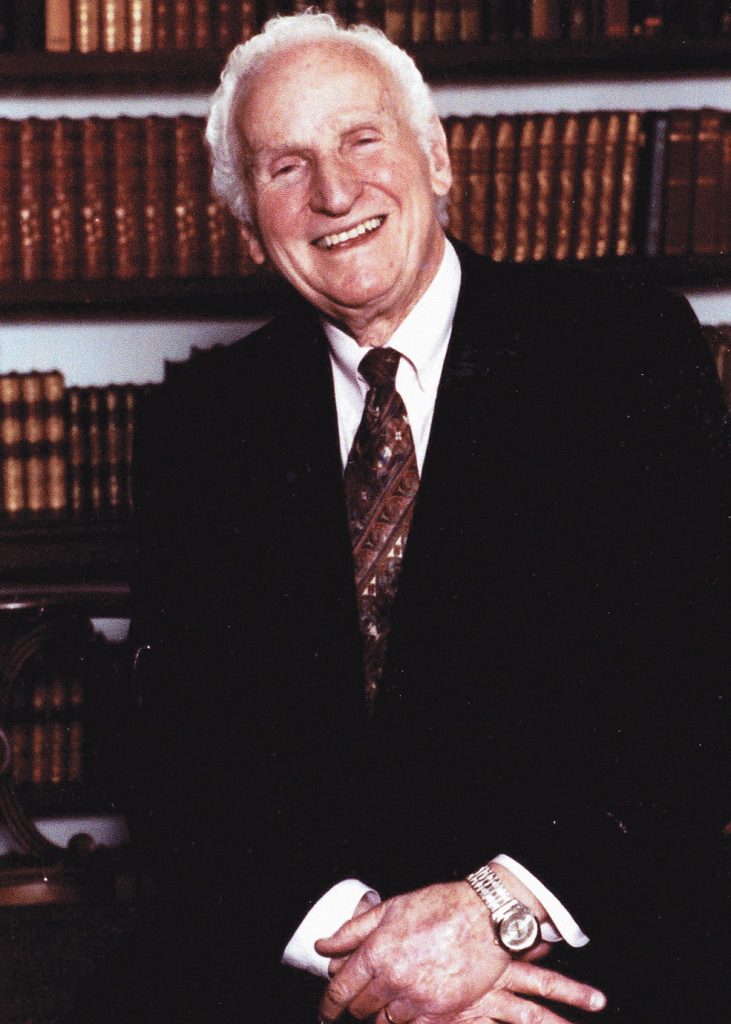
Howard Rosenberg portrait

Howard Rosenberg stood in line at Navy Pier on a cold February day in 1947, a month after returning from his service in the U.S. Army. He awaited registration for the new (since closed) branch of the University of Illinois at Navy Pier, ready to begin his education.

“After standing there about two hours, I asked one of the assistants whether we were going to get in to register,” Rosenberg said. “She said ‘I doubt it.’”

Rosenberg queried his brother about other colleges in the area.

“He said ‘There’s a new college called Roosevelt College. It is a radical place,’” Rosenberg said. He registered for Philosophy 101 and said he “was hooked.”

Rosenberg completed his Bachelor of Arts at Roosevelt in 1949 and was among the first graduates of what would become Roosevelt University. He went on to earn his law degree at DePaul University.

After two short years of practicing law in Chicago representing a credit company, Rosenberg decided to move to Denver where he began a lifelong commitment to giving back to the community.

Rosenberg took the lessons of social justice from Roosevelt to heart by founding, with other Denver-based attorneys, the Thursday Night Bar in 1966. Known today as the Metro Volunteer Lawyers, the organization provides pro-bono legal services to those in great need, a role in which Rosenberg served for decades.

“The inspiration that I got at Roosevelt was able to serve me well as a legal aid attorney,” Rosenberg said. Soon after, he made his first gift to Roosevelt, and has continued to give to current RU students to this day.

Rosenberg also went on to teach law as a tenured professor at the University of Denver’s Sturn College of Law, bringing his compassion for the less fortunate to the next generation of lawyers and social justice advocates. It all culminated in a career he never imagined.

“I thought that Roosevelt really set me on a career path that I probably never would have followed,” Rosenberg said.

“Roosevelt kind of saved me by accident and got me to thinking about going to law school, which was a really great decision for me. I really liked being a lawyer and representing low-income people.”

“Roosevelt…got me to thinking about going to law school, which was a really great decision for me. I really liked being a lawyer and representing low-income people.”
–Howard Rosenberg (BA, ’49)

Rosenberg is retired and lives with his wife, Kristen, in Denver.


Aide to U.S. Senator Finds Calling for Social Justice at Roosevelt

Tamara Jordan

Tamara Jordan came to Roosevelt University in 2010 after returning home from U.S. military service in Afghanistan, where a suicide bombing shook her station base to the core.

“Taking social justice courses at Roosevelt made me realize that a lot of people have struggles. They need someone who can advocate for them,” said the 2016 Roosevelt graduate, who today is an aide to U.S. Senator Dick Durbin.

A native of Chicago’s Englewood neighborhood, Jordan began her Roosevelt journey as a political science major, but had to drop out in 2012 due to difficulties in adjusting to life outside the military. After a three-year hiatus, she returned to the University in 2015 and changed her major.

“At its best, the social justice major at Roosevelt helps students put personal experience in a social perspective and supports them in developing skills for making change for the better,” said June Lapidus, associate professor of economics and coordinator of Roosevelt’s Social Justice Program.

As a Roosevelt student, Jordan interned at the Greater Chicagoland Food Depository, helping veterans receive benefits, and at the Jesse Brown VA Medical Center. From there, she landed an internship at Durbin’s Chicago office that became a full-time job shortly after she graduated in 2016.

“Taking social justice courses at Roosevelt made me realize that a lot of people have struggles. They need someone who can advocate for them.”
–Tamara Jordan (BA, ’16), Aide to Sen. Dick Durbin

“Social justice has helped me to find different ways to really reach people, and not just to shut the door on their needs,” said Jordan, who handles issues and calls related to veterans for 13 counties in northern Illinois.

Recently, she began mentoring at-risk youths as a volunteer with the not-for-profit Urban Warriors program on Chicago’s South Side. She also counsels veterans returning from assignments with the National Guard through the Warrior-to-Warrior Program. Her goal is to get a master’s degree and climb the career ladder in public policy or politics.

“I loved my Roosevelt experience,” she said. “It’s something that developed my focus and helped make my life more meaningful.”


CCPA Takes On the Great White Way

Since its founding, Roosevelt University has produced hundreds of theater professionals, including alumni who are Broadway stars today.

Ray Frewen, assistant director of Roosevelt’s Theatre Conservatory, credits the Chicago College of Performing Arts’ (CCPA) seasoned faculty, famed alumni, historically artistic downtown Chicago location and audition process for attracting highly talented student prospects.

This year, CCPA has auditioned 600 prospective students for next year’s program — 70 students have been chosen to take part in the three majors covering the program. Musical theatre is one of the majors that has successfully led its graduates from the classroom to the Broadway stage.

Graduates Courtney Reed, Stephane Duret, Scott Stangland and John Michael Finley all currently appear in award-winning Broadway productions.

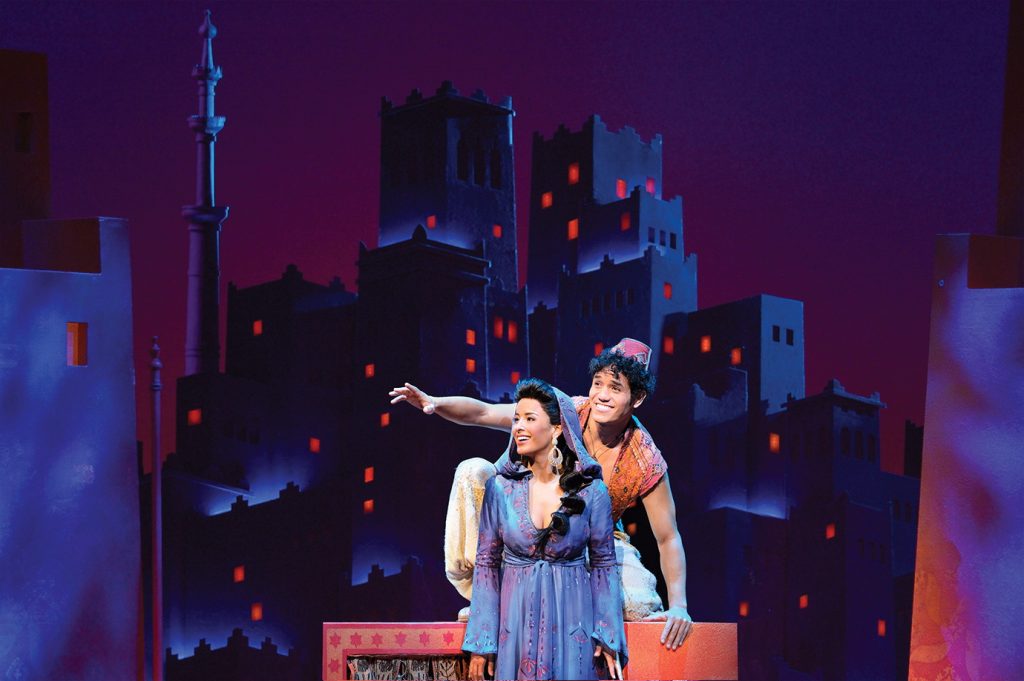
Courtney Reed starring in Aladdin

Courtney Reed

Reed (BFA, ’06) stars as Princess Jasmine in Disney’s Aladdin The Musical. From the musical’s Seattle debut to its current Broadway run, Reed’s Jasmine has appeared in regional and international productions for six consecutive years.

Stephane Duret

Stephane Duret

Duret, Stangland and Finley have nearly two dozen musical theater credits among them. Last year, Duret joined the Tony Award-winning show, Kinky Boots. The 2007 graduate’s additional credits include Sweet Charity, Cabaret, Ragtime and Aida.

Scott Stangland

Scott Stangland

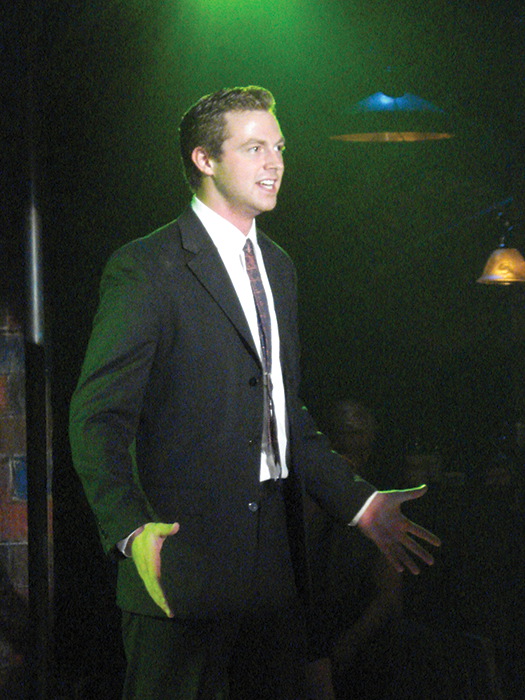
In 2016, Stangland made his Broadway debut as Pierre, a role originated by recording artist Josh Groban, in Natasha, Pierre & The Great Comet of 1812. Stangland earned his MFA in 2005 and has since had roles in the Broadway hit, Once; on NBC shows Chicago Fire and Crisis; and in the films Contagion and The End of the Tour.

Prior to receiving his BFA in 2013, Finley performed in eight stage productions. Two years after graduating, Finley landed roles in Les Misérables and The Book of Mormon — in the latter, he currently appears as Elder Cunningham.

Frewen described Finley’s Les Misérables performance as the most moving experience of his life. “I just burst into tears and couldn’t talk when I saw John,” Frewen said. “I’ve worked [in production] on Les Mis for years, but it’s very moving seeing one of your kids doing it onstage.”

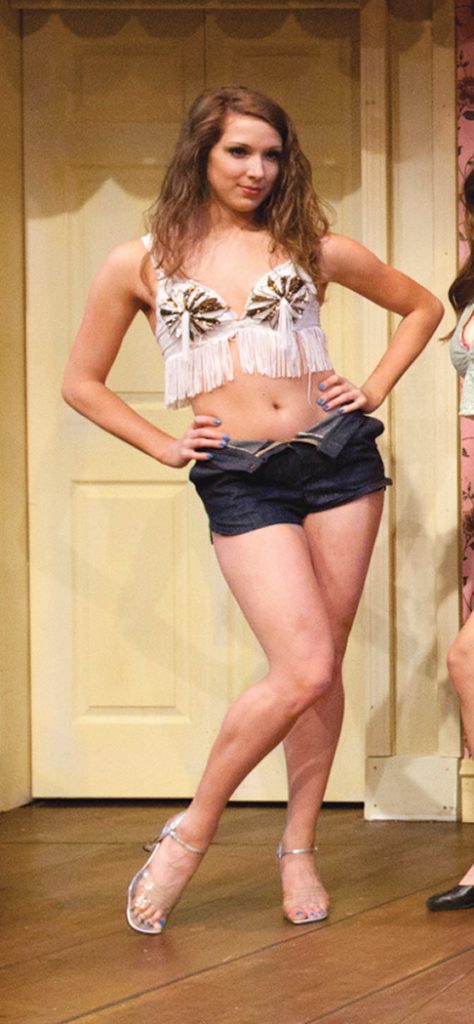
Mandy Modic

Mandy Modic

Mandy Modic (BFA, ’11) defined CCPA’s family dynamic as being an enjoyable part of her program experience. “You feel safe to do this vulnerable work in front of your peers, because you know everything about each other,” Modic said. “You’re able to have that closeness to your professors, where you feel like you’re all working together.”

Modic has appeared in over a dozen musicals, two network television shows and her first feature-length film, When the Lights Go Out, was released late last year.

While talent is the common thread in all of the above-mentioned alumni, Frewen said the key to success goes beyond talent. “It’s about if you are professional and a good person to work with,” Frewen said. “Control what you can control. Your talent will get you in the door, but professionalism will get you to the second job, and then the next.”


From stage to television to film, these five musical theatre alumni have taken their training at Roosevelt to the next level

Merle Dandridge (BFA, ’98)

Merle Dandridge (BFA, ’98)

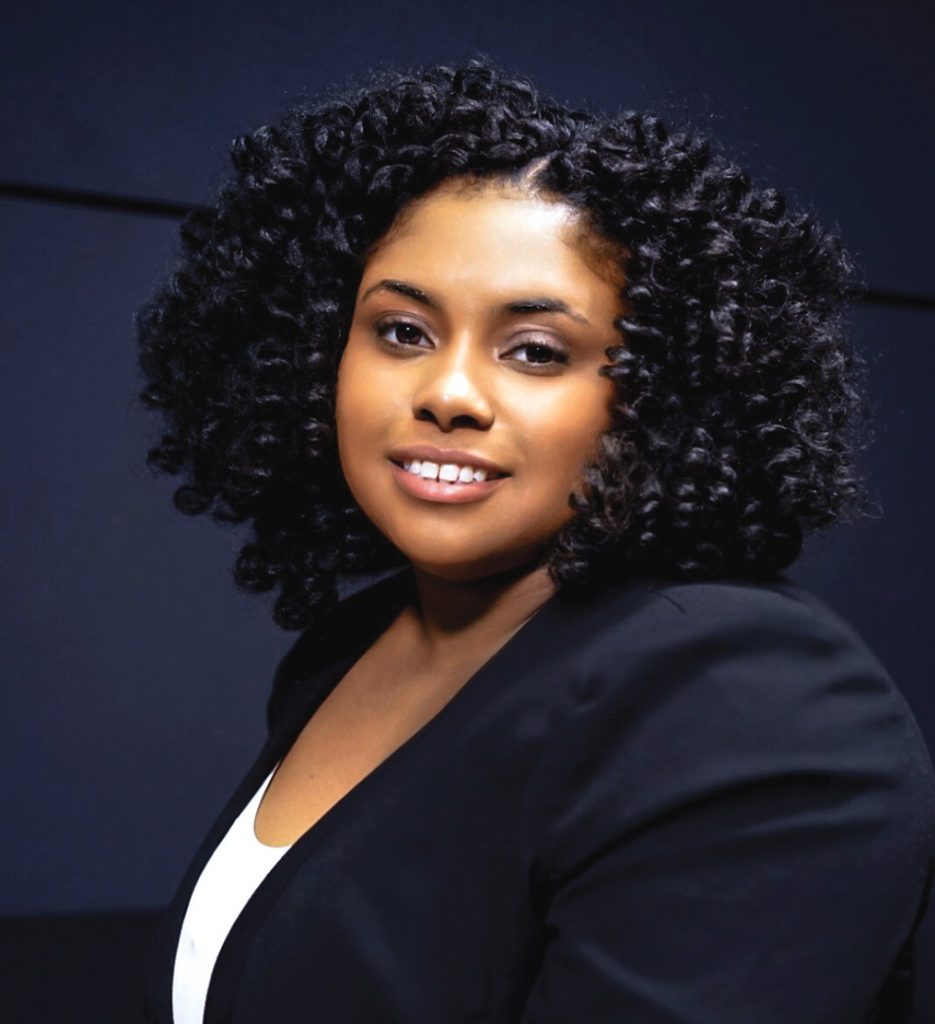
With a 20-year-plus career — including work in film, television, video game animation and on stage — Merle Dandridge has graced the sets of four films and more than 20 TV shows. The Okinawa, Japan born actress and singer’s five Broadway appearances include roles in Spamalot, Rent and Aida. Dandridge’s voice work can also be heard in close to a dozen video games. Currently, Dandridge can be seen starring alongside Oprah Winfrey and Lynn Whitfield in OWN TV’s hit series, Greenleaf.

Travis Taylor (BFA, ’10)

Travis Taylor

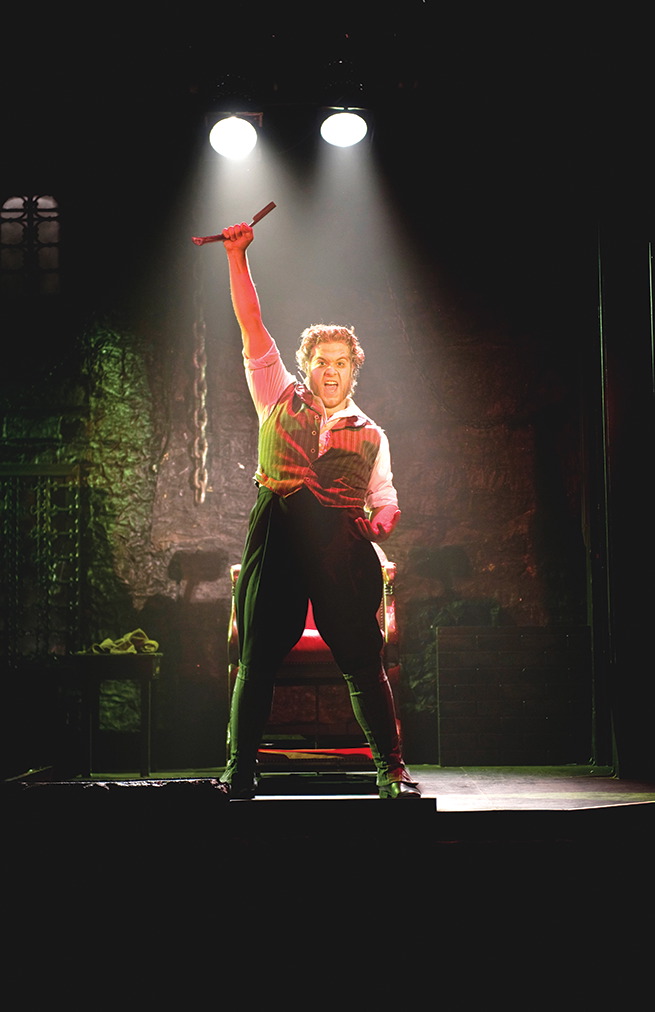
No stranger to the regional stage, Travis Taylor has performed in several theatrical productions, including Les Misérables, Beauty and the Beast, Sweeney Todd, Camelot and Into the Woods. Taylor has appeared on television; and, in 2013, starred as the Hairdresser in the North American Broadway tour of Phantom of the Opera — whose national run continues throughout this year.

Damon Gillespie (’12–’14)

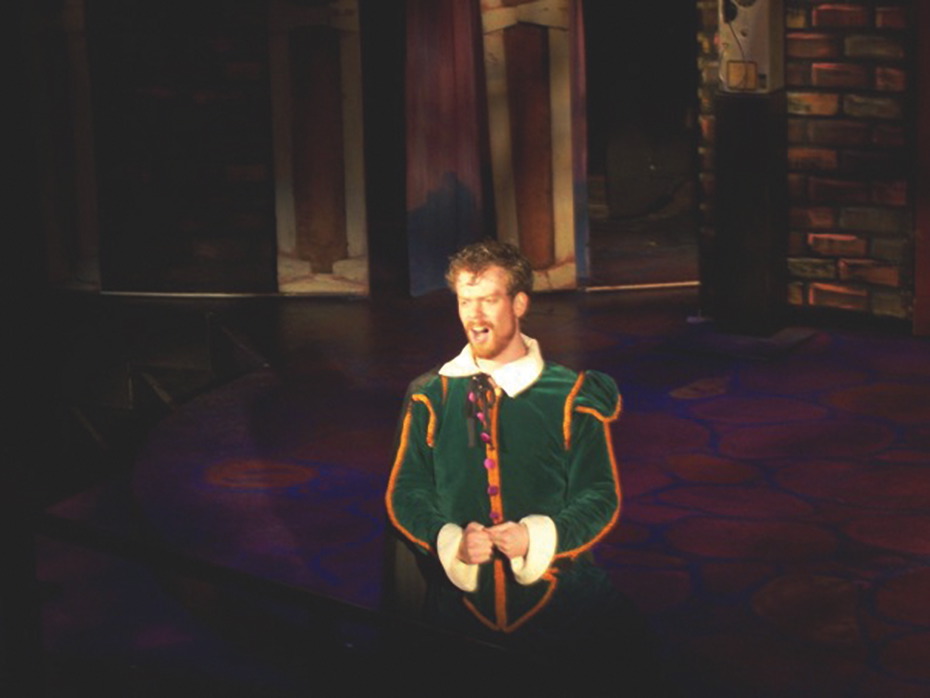
Damon Gillespie (’12–’14)

TV and stage actor Damon Gillespie hit the ground running after his enrollment in the Musical Theatre Program. In mid-2014, Gillespie joined the ensemble cast of Newsies on Broadway. The following year, the Tennessee native appeared on Comedy Central’s Inside Amy Schumer. In 2016, he made it back to the stage in the ensemble cast of Aladdin The Musical. This year, Gillespie will appear in the TV movie adaptation of the novel, Drama High, which costars Rosie Perez and Marley Shelton.

Tiffany Tatreau (BFA, ’15)

Tiffany Tatreau (BFA, ’15)

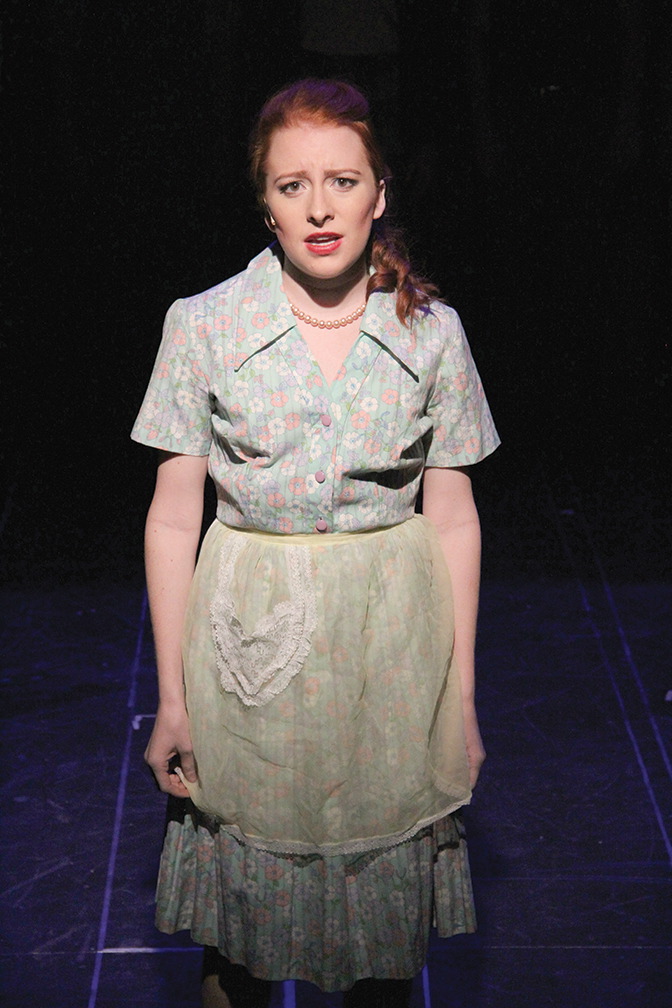
Tiffany Tatreau’s role of Ocean Rosenberg in Ride the Cyclone has taken her from the Chicago Shakespeare Theater to the off-Broadway MCC Theater. Lending her voice to a variety of regional stage productions -— such as Sister Act, Mamma Mia, A Christmas Carol and Spring Awakening — the California native was selected as one of Chicago Tribune’s “Hot New Faces of Chicago Theater 2016.”

Cole Doman (BFA, ’15)

Cole Doman (BFA, ’15)

Already a stage actor in several regional productions before completing his degree, Cole Doman’s roles in TV, film and on stage have continued to pour in, even after graduation. In the past three years, Doman has appeared in countless stage productions at the renowned Drury Lane Theater. The Philadelphia native has also landed roles on NBC’s Chicago Fire, Showtime’s Shameless and ABC’s Modern Family. Doman made his film debut in the drama, Henry Gamble’s Birthday Party, which won the Silver Q Hugo Award at the Chicago International Film Festival. Doman’s lead role as Henry Gamble was chosen as one of the “Best Breakthrough Performances of 2016” by the online movie publication, The Film Stage.


Like keeping up with your alma mater? Want to learn more about new and upcoming alumni events in your area?

Follow us on Facebook, Twitter and Instagram for updates on Roosevelt alumni news and happenings on campus. We’ll not only be featuring news, networking opportunities and reunion events, but also memorable photos and stories from your days at Roosevelt. So give us a like, follow or tweet — connecting with your Roosevelt alumni network has never been easier. Make sure to use the hashtag #LifelongLaker when sharing your memories with us.

Standard
Dalal El-Barbarawi holding a thank you sign
Feature 4, Scholarship Spotlight, Spring 2017

Scholarship Students Share Their Stories and Appreciation

When you attended Roosevelt University, there is a good chance you received help in the form of scholarship dollars either from an individual who established an endowed scholarship or directly from the University.

Thanks to the generosity of Roosevelt’s alumni and friends, scholarship dollars continue to provide the financial assistance that contributes to students’ success.

Our students are committed to the power of education and social justice practices that have defined Roosevelt since its founding in 1945. While they sometimes face challenges as they figure out how to meet financial needs, juggle work schedules, academic workloads and personal lives, these students also are extremely grateful for the financial assistance they receive — as you will see from their comments.

The stories shared here are about scholarships received both from endowed funds, which provide educational dollars in perpetuity, and annual scholarships, which are funds received for immediate use. Endowed scholarships and general scholarship money provide our students with the means to continue toward their goal of joining the ranks of proud Roosevelt University alumni.

Many of our students are the first in their families to go to college. They embrace the University’s mission and work very hard to obtain their degrees, and scholarships help them achieve their educational goals and dreams.

Dalal El-Barbarawi
Recipient of the Thomas P. Dengler Scholarship

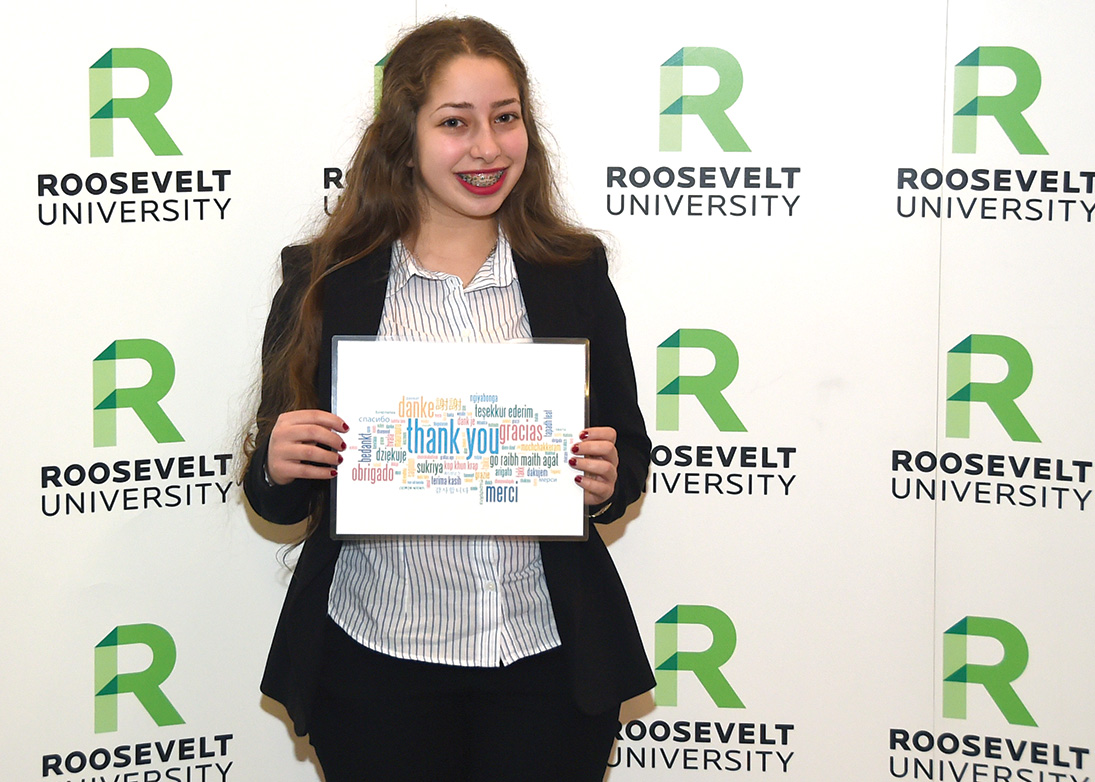
Dalal El-Barbarawi holding a thank you sign

Dalal El-Barbarawi, a biochemistry major and recipient of the Thomas P. Dengler Scholarship, wrote of her Roosevelt experience: “The students and staff here truly believe in social justice and an equal opportunity for all. Better yet, the opportunities I have gained at Roosevelt in just my first semester are ones that I would have never received at any other higher learning institution. My first semester was filled with massive opportunity and amazing professors whom I will never forget!”

El-Barbarawi also wrote about the importance of receiving financial assistance: “This scholarship means a lot to me. With my father’s recent illness and inability to work, I had to take a full-time job to help fund my education. This scholarship helped me fund books and made another semester at Roosevelt possible.”

Sarah Kovich
Human Innovation Endowed Scholarship

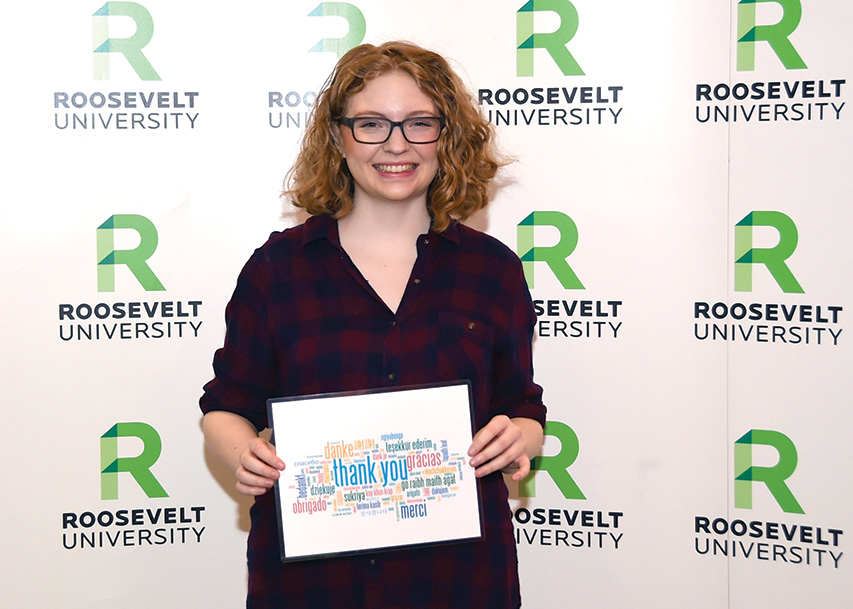
Sarah Kovich holding thank you sign

Sarah Kovich, a Chicago College of Performing Arts violin major, wrote: “My anticipated degree is much more than a piece of paper to me. These past four years have been incredibly difficult personally and academically, but I made it this far because of my burning passion for music. Thank you for spending your time and resources to aid those who need it the most; your efforts are deeply appreciated.”

Alan Rojas
Recipient of the Milton Goodman Scholarship

Alan Rojas, a political science major and recipient of the Milton Goodman Scholarship, wrote of his future education plans: “I entered RU with a major in political science and just recently, I added a legal studies minor as well. I chose this specific major and minor because of the fact that I hope to one day become an immigration lawyer or a public defender. I believe this would be the most efficient way to give back to the community as well as ensure that social justice is legally extended to all people. I have such a passion for my major.”

He also wrote that his scholarship “was essential in allowing me to pursue a college education. I am the first in my family to go to college. We all sighed a breath of relief when my family heard I was lucky enough to receive the Milton Goodman Scholarship because it helped ease the financial burden.”

Robert Rugamba
Recipient of the Robert Miner Scholarship for Graduate Students

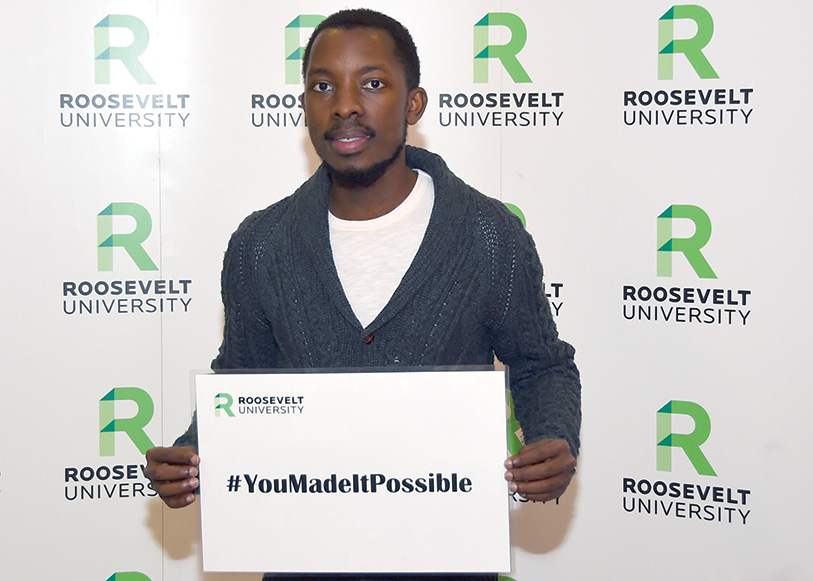
Robert Rugamba holding #YouMadeItPossible sign

Robert Rugamba, a graduate computer science student, received funds from the Robert Miner Scholarship for Graduate Students. He wrote that the scholarship has been “a great privilege and I’m grateful for your continued spirit of generosity. I hope to be as generous as you’ve been to me and the many other recipients of this great scholarship.”


You can help today with a gift toward annual scholarships through the general scholarship fund.

Please give online at giving.roosevelt.edu.

Standard