Athletics, Feature 4, Spring 2017

Athletics Year in Review: 2016-17 Lakers Achievements

The 2016-17 year was full of achievements across the board for the Roosevelt Athletic Department as the Lakers continue their pursuit to be one of the most well-rounded venues for student-athlete success in the Chicagoland Collegiate Athletic Conference (CCAC) and National Association of Intercollegiate Athletics (NAIA).

Men’s Soccer

Roosevelt Men’s Soccer vs. Texas Wesleyan

The Roosevelt men’s soccer team entered the fall with high expectations following last year’s CCAC regular season and tournament championships. Ranked 22nd in the 2016 NAIA Preseason Top 25 Poll, the Lakers got off to a strong start with a huge 3-2 overtime road win over nine-time national champion Lindsey Wilson College in Kentucky.

Jose Garcia on the soccer field

Jose Garcia

Injuries to key players, including 2015 CCAC Player of the Year Evan Trychta and All-CCAC First Team catalyst Jose Garcia, slowed down Roosevelt’s momentum and led to a double-overtime quarterfinal ouster in the CCAC tourney. However, with Garcia back from injury this fall and head coach Graham Brennan’s 52-21-6 record in the past four seasons, there is optimism for even more men’s soccer success to come once the 2017 campaign rolls around.

Women’s Soccer
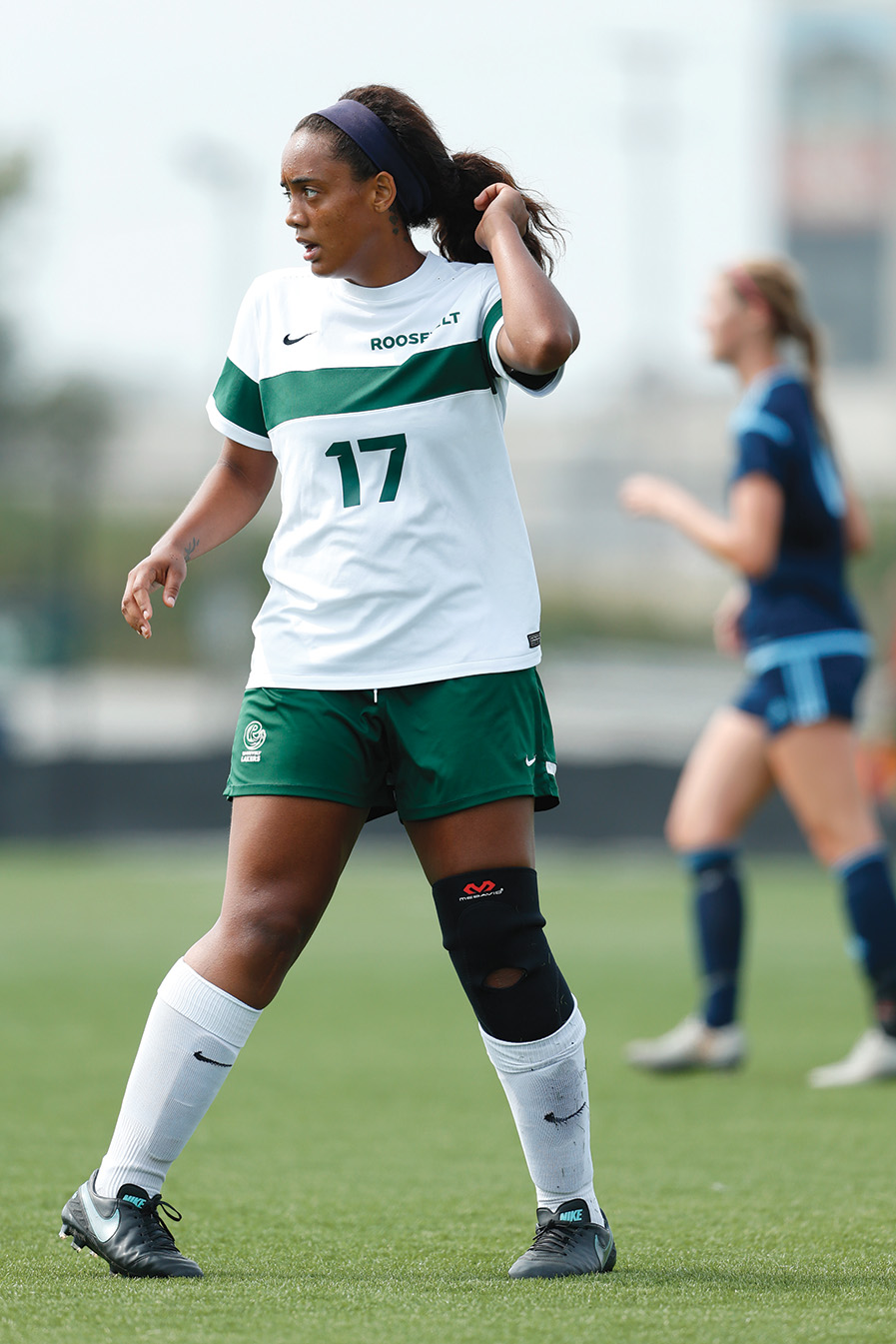
Anna Agboola on the soccer field

Anna Agboola

Head Coach Roland Hahn continues to lead the Roosevelt women’s soccer team to progress on and off the pitch. Newcomer Anna Agboola had a debut season to remember in fall 2016, as she led the Lakers with eight goals and 19 points. Sophomore dynamo Monica Munoz proved to be a key offensive cog as well, netting six goals and accounting for 15 points. Junior Chelsea Olson directed play in the midfield and continued to show leadership for a young squad. Despite losing all-time leading scorer Jamie Beniac (26 goals) to graduation, Roosevelt returns a large contingent of its scoring along with goalkeepers Kara Jones and Maria Narcisi, the latter having earned the first CCAC Defensive Player of the Week honors in program history due to her wall-like presence between the posts.   

Volleyball
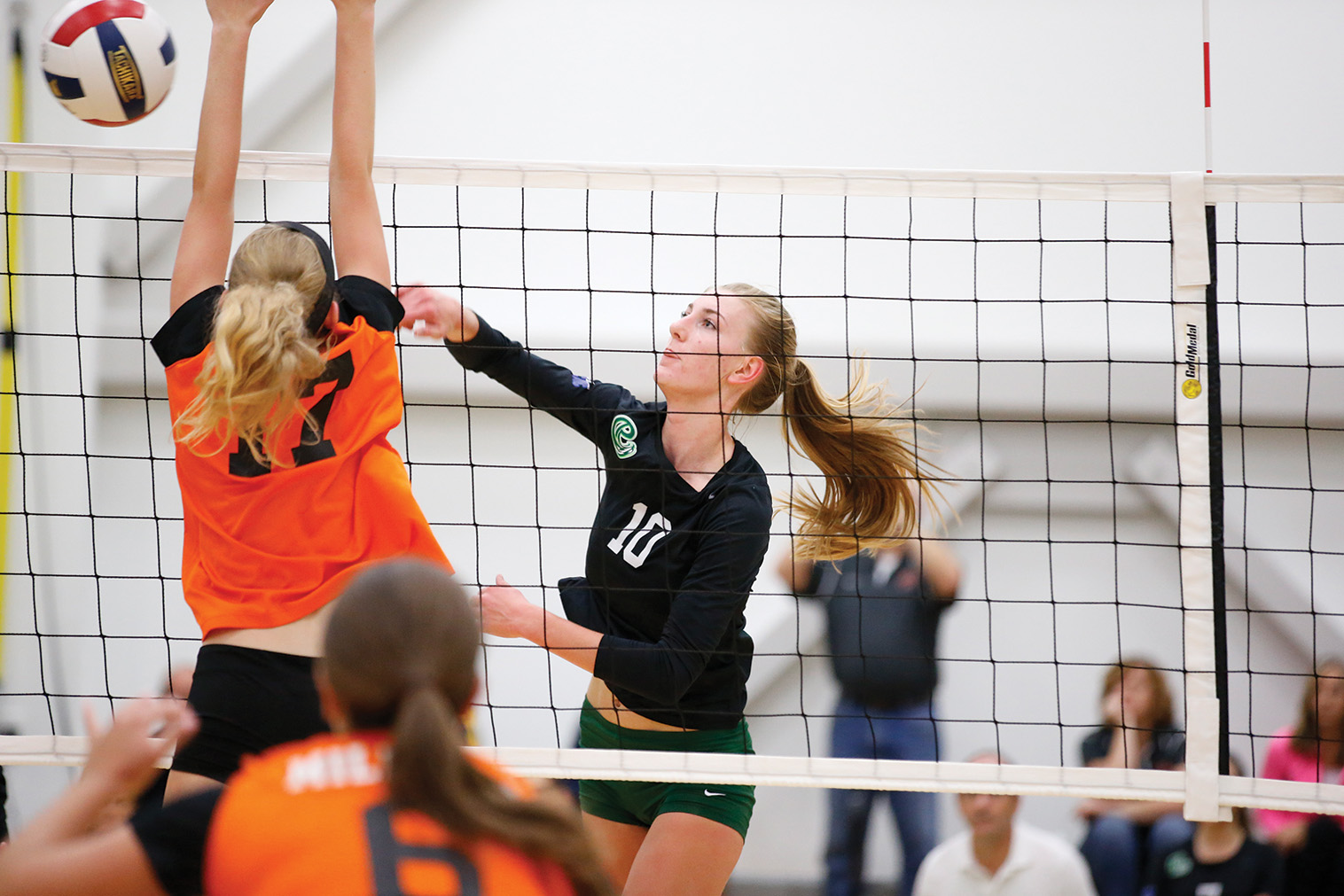
Brooke Lee playing volleyball

Brooke Lee

There is no doubt that one of the best volleyball players in the CCAC is Roosevelt’s Brooke Lee. The rising soon-to-be senior out of Dodgeville, Wisconsin is a 6-foot-1-inch leaping force who averaged 3.45 kills per set last year, ranking second in the conference and accumulating 455 kills to rate among the nation’s top 30 offensive producers. Lee, who also plays on the softball team, became the first repeat All-CCAC First Team selection since Vanessa Owusu earned the nod three consecutive years from 2012-14. Along with Lee and Maddy Cysewski, a junior transfer from McHenry County College who garnered All-CCAC Second Team recognition for her first year in green and white, team captain Abby Petroelje will have plenty of talent to guide as the Lakers seek a return to postseason play.

Cross Country/Track & Field
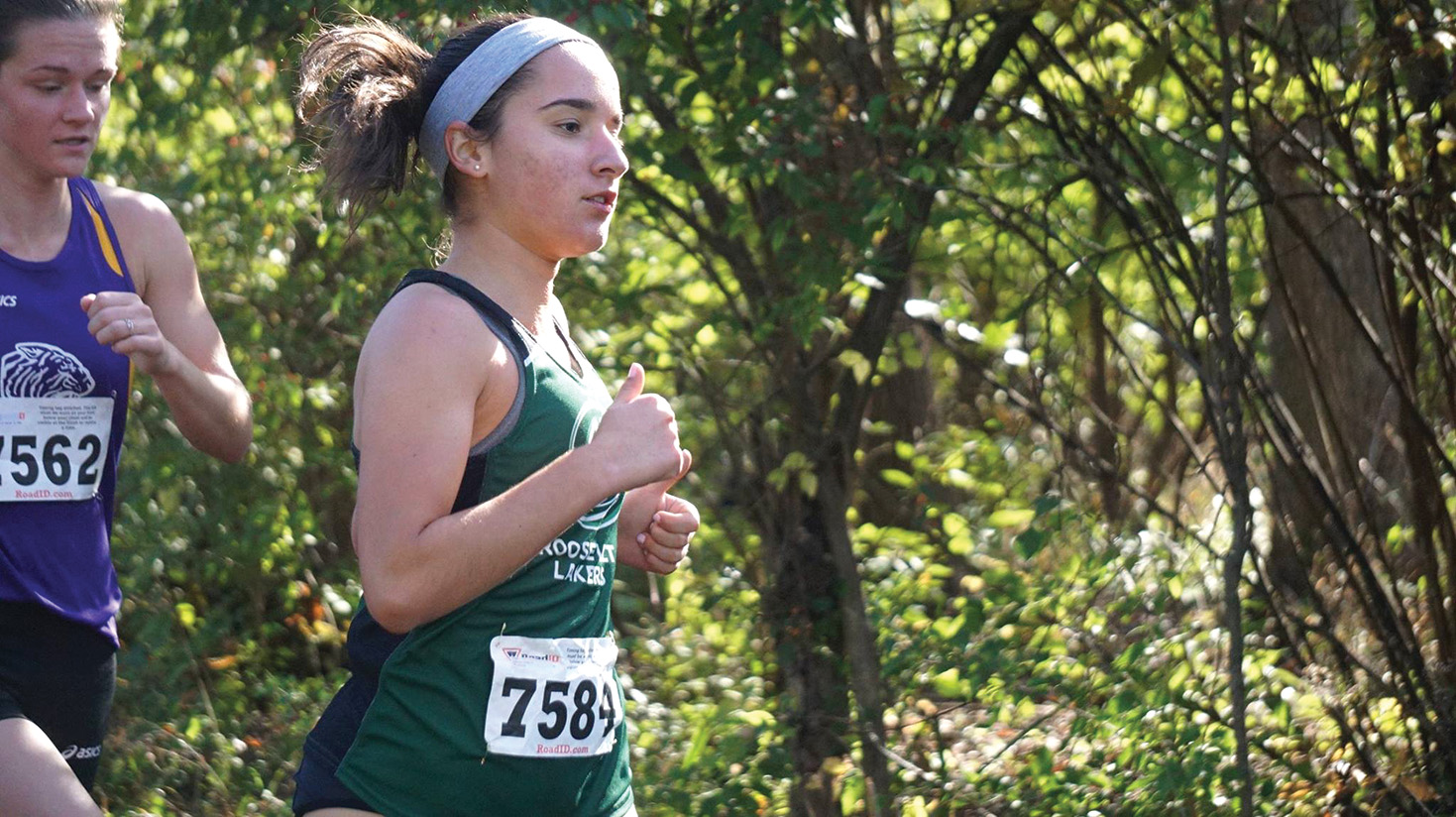
Gina Narcisi running

Gina Narcisi

Alena Pacheco nearly became the first Roosevelt runner to return to the NAIA National Cross Country Championships. While the greatest female distance runner in Roosevelt’s young team history is off to pursue a teaching career now that her athletic eligibility has ended, Pacheco’s young teammates are carrying the torch that she lit and exhausting themselves in a variety of distance and sprint events.
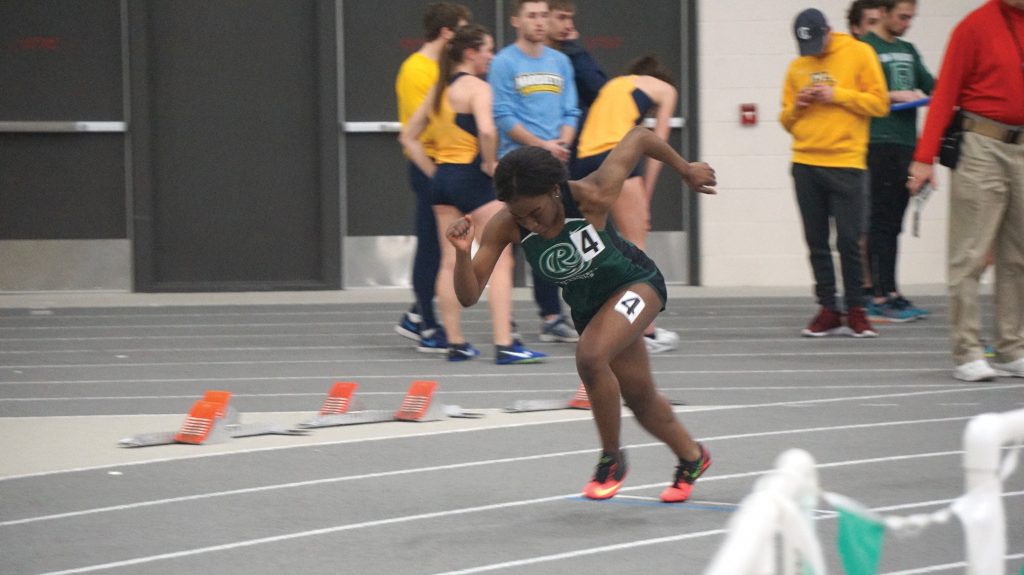
Wuraola Sosina racing on track

Wuraola Sosina

Gina Narcisi is attempting to become the first Roosevelt student-athlete to qualify for the NAIA marathon, while Wuraola Sosina continues to be one of the fastest runners in the CCAC, posting winning finishes throughout the indoor track season. On the men’s side, veterans Troy Harness (distance) and Dan Lim (hurdles) wrapped their solid careers while rookies Kwesi Ayekumi and Edwin Renteria gained valuable experience during outdoor and indoor running endeavors.    

Tennis

Another new face on the coaching staff for the Lakers was Greg Couch, best known for his journalistic work with the Chicago Sun-Times, FOX and Bleacher Report. His passion for the game of tennis is as mighty as his pen, and his experience covering the game at its highest levels — in the press box and his time instructing at local clubs — give Couch a unique edge in working with the Lakers on the court. Twins Michelle and Claudia Beczarski and men’s standout Serj Kiyasov conclude their college careers with hopes of leaving a strong foundation for next season.

Golf

Jake Myers became the first Roosevelt player to finish as the runner-up at the CCAC Championships last year in what was the culmination of a splendid rookie campaign, and this season the second-year standout is poised to lead the deepest group of golfers that Head Coach Peter Pougnet has fielded in his tenure. Veterans Matthew Spahr and Charlton Zimmerman, and newcomers Matthew Heesemann and JT Polinski, join Myers in a potent quintet that has the potential for a record team finish this year and beyond.

Baseball

Colten Trager swinging baseball bat

Colten Trager

The Roosevelt baseball team was on the cusp of its first CCAC tournament bid last year, and the Lakers are looking to break through the door and compete in postseason play for the first time in Head Coach Steve Marchi’s seven years as skipper. All-CCAC First Team slugger Colten Trager continued his rampage against baseballs at the start of the spring, and fellow catcher/infielder Tyler Ward was off to a scorching-hot start at the dish along with junior college transfer Jonah Meidl-Zahorodny. With a pitching staff headlined by ace Matt Dunne and a stout defense led by the likes of shortstop Logan Fleener, second baseman Matt Kozlak and Gold Glove outfielder Andrew Bohlmann, Marchi’s RU 9 aim to extend 2017 for as long
as possible.   

Softball
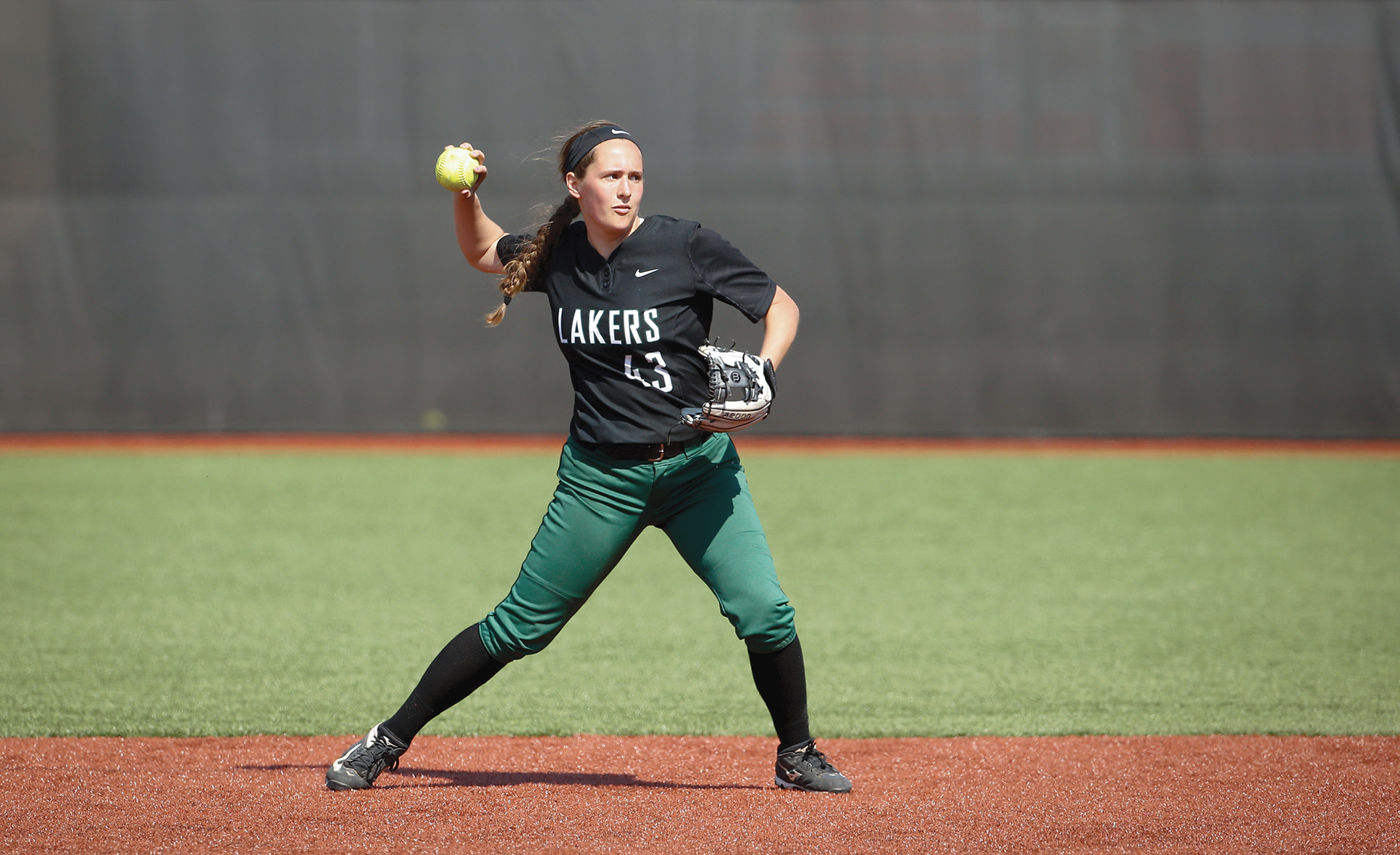
Haley Huss playing softball

Haley Huss

A new era began this spring as Roosevelt brought in Aaron Moore, previously the general manager of the two-time defending National Pro Fastpitch champion Chicago Bandits, as the new head softball coach. Moore is a respected mind in the sport, and the architect of successful pro teams on the diamond has shown an equally adept acumen for coaching on the collegiate level in a short amount of time.
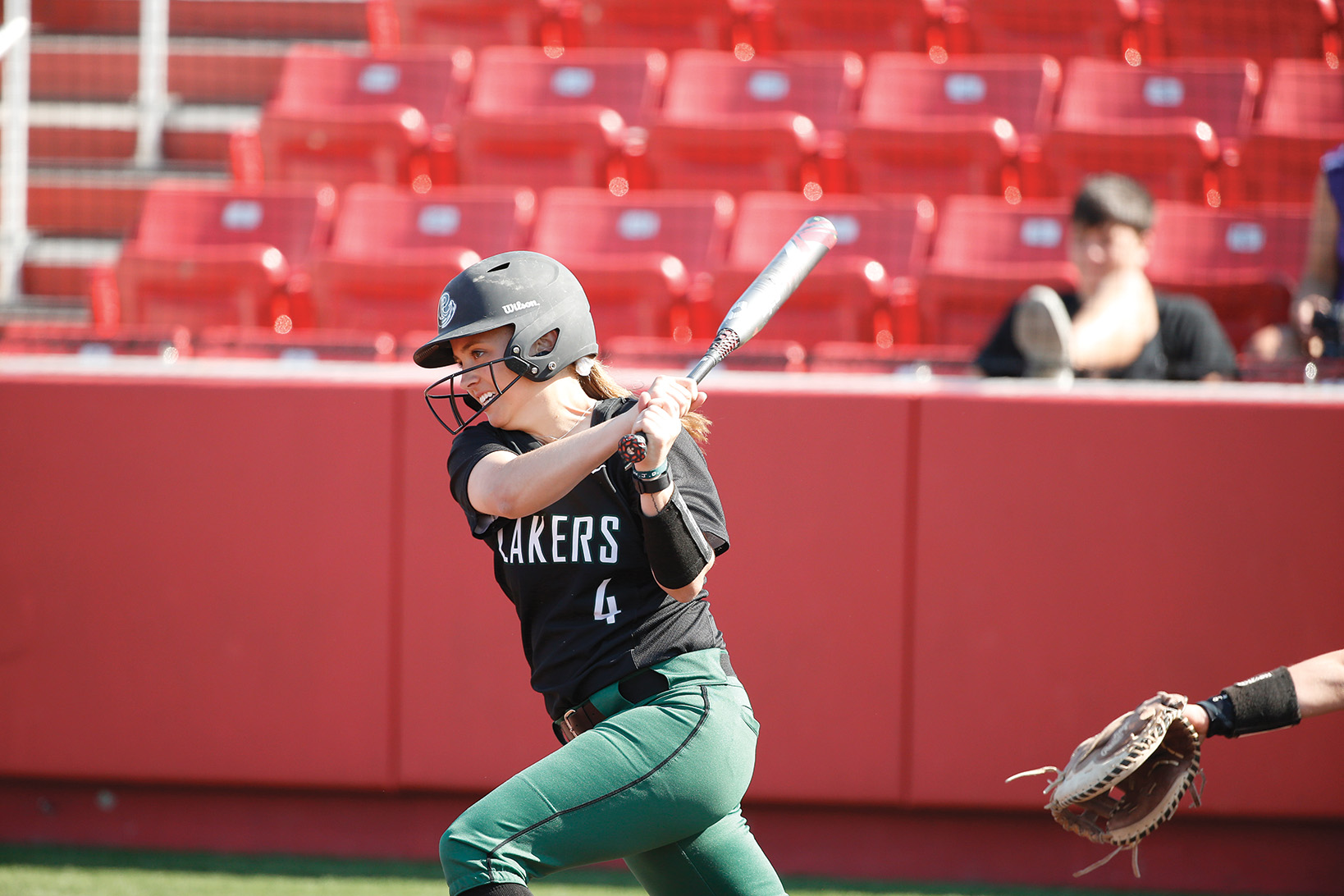
Bethany Hart swinging baseball bat

Bethany Hart

Moore had the Lakers off to a school-best start, as second-year shortstop Haley Huss and senior outfielder Bethany Hart captained a young team with nine freshmen on the roster. One of those rookies, Taylor Sterkowitz, displayed a powerful bat with exceptional defense at first, while Moore’s pitching staff features a rookie core of local talents Brinn Arwood (Wheaton-Warrenville South), Maddy Janssen (Plainfield Central), Caitlyn Santiago (Oak Park and River Forest) and Brianna McCormick (Fenwick).

Men’s Basketball
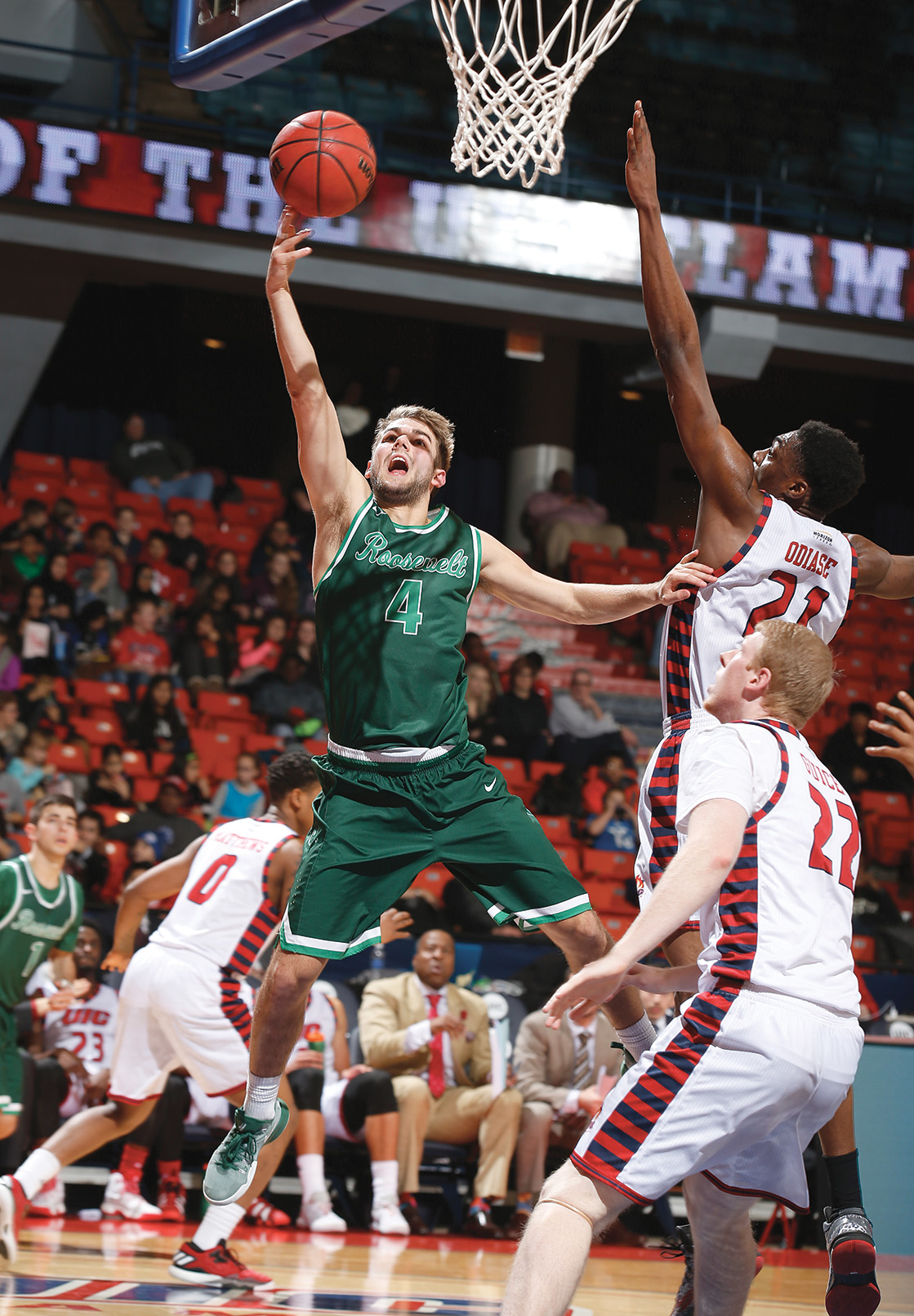
Jake Ludwig playing basketball

Jake Ludwig

After becoming the CCAC Freshman of the Year in 2015-16, Jake Ludwig demonstrated his immunity to a sophomore slump. The 6-foot-1-inch guard out of St. Charles, Illinois led the Lakers in scoring for the second consecutive season by pouring in 15 points per game. His team-high of 113 assists ranked fourth in the conference, cementing his status as Roosevelt’s go-to guy and an honorable mention All-CCAC selection. Don’t mistake his ability for being above the fray when it comes to doing the little things that win games. “He is one of the toughest guys on the team, always mixing it up, diving on the floor, and taking charges,” Head Coach Joe Griffin said. “It’s not often you find the high scorer on a team as being one of the grittiest, and that’s what makes him special.” Ludwig returns with senior big men Joshua Dillingham and Adam Alexander, and a cast of contributors hungry to take Griffin’s squad to the next level.    

Women’s Basketball
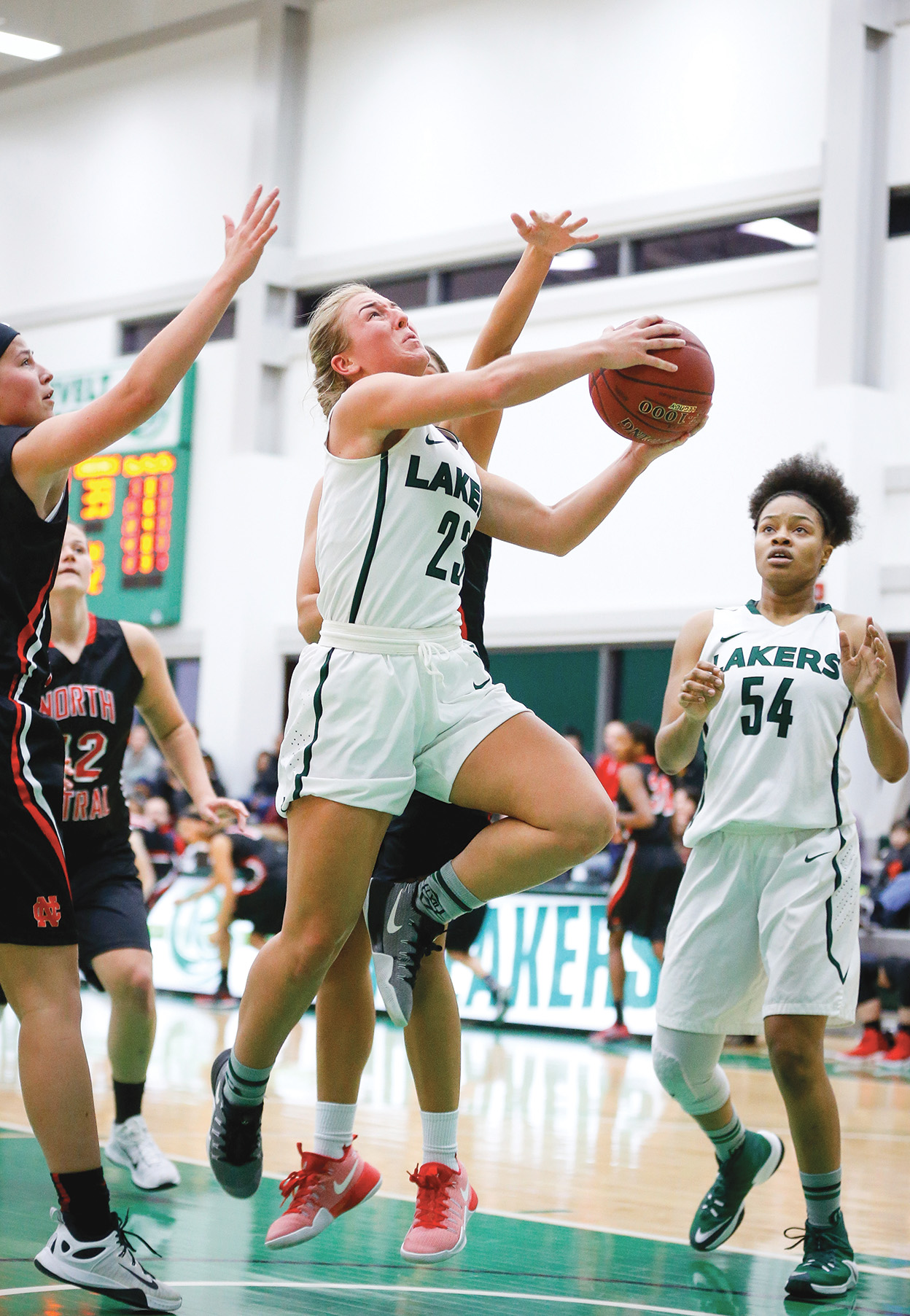
Paige Gallimore playing basketball

Paige Gallimore

There is no doubt that guard Paige Gallimore is the engine that makes head coach Keisha Newell’s Roosevelt women’s basketball team go. The three-year starter out of Antioch, Illinois is a 5-foot-7-inch bundle of on-court fury who can drive at will. In a game often dominated by giants, Newell says that Gallimore “is so versatile on the offensive end because she is stronger than most guards and quicker than most post players.” The versatile backcourt star, who was named an Honorable Mention All-CCAC player for the first time, stuffed the stat sheet during her junior campaign this past season by leading the Lakers with 18 points per game, ranking fourth in the CCAC and 18th in the country. Gallimore didn’t just stop at scoring the rock; she was equally adept at corralling misses off the glass by averaging eight rebounds per contest, ranking sixth in the conference despite being the shortest player among the CCAC’s top 10 rebounders. In 10 of Roosevelt’s games this season, including a stretch of five consecutive games, Gallimore reached double figures in both points and rebounds for double-double performances, a feat made even tougher when every opposing team knew who the primary weapon was for the Lakers.


Away From Competition

Amid all of the athletic success achieved by the Lakers, their classroom accolades continued to impress. The fall 2016 Athletic Department grade point average was 3.1, the best in program history, and Roosevelt is already on pace to surpass its previous best for Daktronics-NAIA Scholar-Athletes in a single year. In addition to excelling academically, Roosevelt’s student-athletes continued to prioritize community service, volunteering at a bevy of area non-profits and events.

Standard
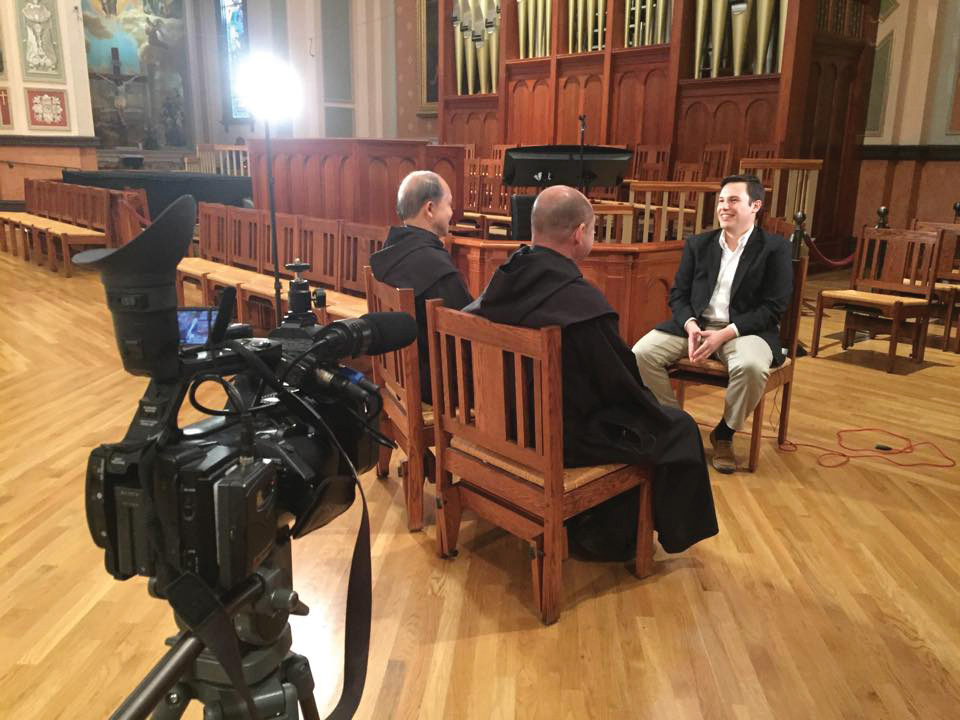
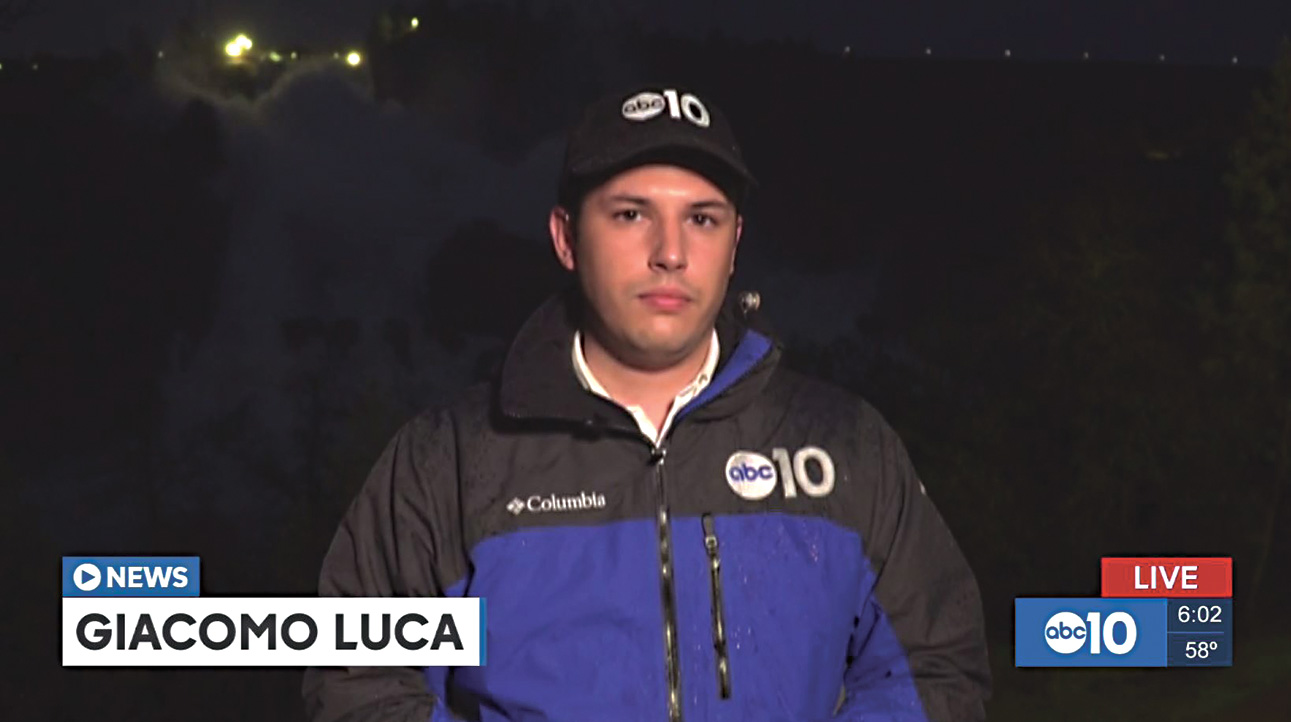
Giacomo Luca reporting
Feature 4, Spring 2017

A Millennial Roosevelt Alum Contemplates the American Dream

Giacomo Luca reporting

Giacomo Luca reporting for Sacramento’s ABC News10.

It is a longstanding Italian custom to name your children after their grandparents. The tradition is a tremendous honor. It is also a way for a person’s memory to live on through another, even after death.

My family has carried on that tradition, as I was named after my grandfather. He first comes to mind as I ponder the idea of the American Dream, which it seems to me has changed since my grandfather came to this country more than 60 years ago.

My grandfather was born in 1939 in the small town of Fuscaldo in poverty-stricken Southern Italy. He immigrated to America when he was 18 years of age, became an American citizen, married and had a family. He spent 17 years as a tailor and another 27 years working in a tool-and-die shop until a heart attack forced him to retire in 2006.

Growing up, I had always known the American Dream to be the idea that every American has an equal opportunity to work hard, which would result in a fulfilling life with one’s own home, family and guaranteed retirement.

However, because of rising college costs and changing expectations in today’s job market, I believe that version of the American Dream is not as easy to achieve as it was for my grandfather.

Married 50 years, he and my grandmother are comfortably retired in a quiet neighborhood on the west side of Cincinnati where they live in the same quaint ranch house where my father and his siblings were raised, and where I spent most of my childhood.

By the time I am their age, maybe even a little sooner, I hope to be in the financial position to do the same. However, I believe there are obstacles that could get in the way of millennials like myself achieving that version of the American Dream.

My parents had me in their early 20s, and divorced not long after. My dad is a tool-and-die maker, my mother a housemaid. They didn’t graduate from college. Theirs was a generation in which a high school education frequently was enough for employment.

I was privileged to have been educated in a quality public school system that prepared me for college. In 2014, I became the first person in my family to earn a bachelor’s degree from Roosevelt University. Words cannot describe what this accomplishment has meant to my parents, grandparents and myself.

Over the past six years, I have moved three times and thousands of miles from home in order to pursue a career in TV journalism. Like many millennials, I am content to make these sacrifices as long as I am working in a career that personally fulfills me. To me, this is the new American Dream.

While I admit that I didn’t have everything growing up, I had what I needed. I was fortunate and blessed to be raised by hard-working parents and grandparents whose strong work ethic so influenced me. They taught me if I worked hard I could achieve anything I wanted, and I believed them.

Unfortunately, nearly half of 18 to 29-year-olds don’t believe the American Dream is alive for them, according to a 2015 survey by Harvard University’s Institute of Politics.

Giacomo Luca reporting

Giacomo Luca reporting for Sacramento’s ABC News10

I don’t think the basic idea of the American Dream — working hard and being fulfilled — has dramatically changed for today’s young people. However, the expectations and obstacles they face in order to achieve the dream have shifted considerably.

Long gone is the idea of any job being the ticket to a comfortable life in a quiet neighborhood. In today’s job market, some form of college degree is expected. Thus, more people are going to college and more money is spent on a college education.

My degree cost six times the salary I earned in my first TV job, but realistically, I had to obtain a college degree if I wanted to land a job in the field. Thus, I have joined approximately 44 million others, who, along with aspirations of bettering their futures, collectively have more than $1.3 trillion in student loan debt.

Millennials earn a median household income of $40,581, which is less than the average U.S. household income of $56,516, and 20 percent less than baby boomers took home at the same stage of life as today’s millennials, according to a variety of federal data.

Traditions, like carrying on the family name, may live on, but the truth is that priorities have shifted since my grandfather’s day when working meant retiring to a home in that quiet neighborhood.

“Traditions, like carrying on the family name, may live on, but the truth is that priorities have shifted since my grandfather’s day when working meant retiring to a home in that quiet neighborhood.”
– Giacomo A. Luca (BA, ’14)

For millennials like myself, today’s American Dream is more about achieving peace of mind. We need a job to pay for student loans and living expenses, and can only hope that benefits like healthcare and retirement come along with that job.

I see the American Dream as being more about being fulfilled by work itself than it is for the work to be a means to one day enjoy fulfillment. It’s not that we millennials don’t want a house, family and retirement in a quiet neighborhood.  For many of us, however, that part of the American Dream will have to come much later.


To register for the 2017 American Dream Conference, visit www.americandream.com/register.

Standard
Feature 4, Feature Stories, Spring 2017

Family Comes First: Winner of the American Dream Reconsidered Conference Essay Competition

When I think of the American Dream, my mind immediately goes back to my senior year in high school, sitting in my literature class reading Arthur Miller’s Death of a Salesman. The idea of the American Dream in the play is economic success. Willy Loman, the main character, lived with his wife in a seemingly perfect home in the suburbs. He strove for success in his job, but also for the success of his two sons. His American Dream was a traditional one: buy a comfortable home, achieve success in the workplace, and raise children who would follow his path. The ending to the play speaks to just how fragile this dream is. Loman’s sons have no direction and fail in finding success, while he himself loses everything and dies in a tragic, possibly suicidal, accident.

The American Dream enticed immigrants to come to America, find a steady job, purchase a home, and live a comfortable life with their families. They would achieve success that they could never have in their home countries.

Today it is very different. Many young people today share Miller’s pessimistic outlook on the American Dream. They choose to establish a career long before they decide to settle down. When interviewed by U.S. News and World Report for its October 2016 issue, millennials said that while they don’t think often about the American Dream, they locate their own idea of success in achieving “a satisfying career.”

I grew up in a large Catholic family, complete with 20 aunts and uncles and more than 50 cousins. Family has always been a large part of my life. My siblings and I have always gotten along perfectly, a few fights and teasing now and then — who doesn’t! — but all things considered, it feels as if we were friends even before we were siblings.

My parents were a somewhat different story. While I loved both of them more than anything, I was always closer with my mom. When my parents began having children, my mom quit her job in order to take care of us. We all spent quality time with her throughout our childhood, but since I was the youngest, it eventually became just her and me. After years of spending every day with her, my mom and I became best friends … in a way. You could always find us together. From going to the grocery story, to sitting in bed late at night watching Real Housewives and laughing hysterically together. This relationship with my mom and the rest of my family was the beginning of what I now consider my American Dream. When I look at the closeness I have with my family and compare it to others who are nowhere near it, I realize just how important it is to me to maintain that relationship.

“This relationship with my mom and the rest of my family was the beginning of what I now consider my American Dream.”
– Samantha Barnes (BA,’20)

The event that solidified my American Dream, my life with my family, was my mom’s diagnosis. When I was in the seventh grade, we learned that she had frontotemporal dementia. I can still remember so clearly the day my parents first told us. We were sitting in the car in a store parking lot full of snow, and I was crying at my dad’s words: “She eventually won’t be able to speak.” I didn’t truly understand the gravity of this until much later.

A few years down the road, when I was the only child left in the house, my dad and I were the only people really to understand the transformation she was in the process of undergoing. Even a year after her diagnosis, she was still as quick-witted as ever and lived life as normally as she could with her future looming over her head. By my junior year, we needed someone outside of the family to help when my dad and I weren’t there. You could see the dementia overtaking her. She would become agitated, unable to finish sentences, and couldn’t use utensils to eat. I spent much of my time outside of school with her, helping to calm her down and take a nap if she was feeling especially irritated that day or helping to feed her and give her medicine. Those days truly showed me how much I value my family.

In just a couple of years, my mom had turned into a new person. I had to take care of her in ways that, as her daughter, I would never have imagined. I had an entirely new appreciation for the family I loved. I bonded more with my dad, who understood exactly what I was going through, and we became each other’s confidants. I felt as if I was repaying my mother for all of her love and the work she put into raising us. I enjoyed my childhood so much because of her and gained a new appreciation for all she did for us.

It was at this exact point that my American Dream crystallized. With my mom’s diagnosis, and the subsequent events, I understood the importance of my family and saw how, even through the most difficult times, we were able to stay together and remain strong.

The original American Dream, as Miller indicated, was to come to America, land a well-paying job, buy a house, and have one’s children partake in one’s success. More recently, young people have fastened this Dream almost exclusively to the idea of a career. At this point in my life, my version of the Dream differs. For me, it is staying close with my family. Success is to maintain the closeness we share and continue to stay strong together.


Samantha “Sammi” Barnes is a first-year psychology major in the Honors Program from Hinckley, Illinois. Her essay won first place in the American Dream Reconsidered Essay Competition, sponsored by the Montesquieu Forum.

Standard